


Humanoid Robots with AI: Current Capabilities and What’s Coming Next
February 24, 2026
When people say “humanoid robot,” they usually picture a sci-fi helper that can cook dinner, fold laundry, and then politely remind you to call your mom. Reality is more interesting—and more practical.
Today’s best humanoids are already walking into real workplaces, moving real stuff, and learning from AI models that understand language and vision. They’re not “general-purpose humans in metal bodies” yet. But they’re past the toy stage, and the next wave of upgrades will be noticeable to regular consumers.
What AI humanoid robots can genuinely do today
Before we talk about what’s next, it helps to get clear on what humanoid robots can reliably handle right now—and under what conditions. Some abilities look nearly “ready,” while others still depend on controlled spaces, careful setup, or occasional human backup. Let’s break today’s real capabilities into a few practical buckets, so you can tell the difference between a solid product milestone and a flashy one-off demo.
They can walk, balance, and move through human spaces—sometimes.The headline improvement over the last couple of years isn’t “faster running” or “cooler backflips.” It’s reliability: smoother gait, better balance recovery, fewer “one bad step and it’s over” moments. Companies are explicitly pushing toward real-world work, not just lab demos. Source: Boston Dynamics’ shift to an all-electric Atlas is positioned around real applications and practical deployment.
They can pick up and place objects—best when the environment isn’t chaotic.In structured settings (warehouse lanes, marked bins, predictable shelves), humanoids can do repetitive handling tasks with growing consistency. A strong example is logistics-style work: Agility Robotics says Digit has moved 100,000+ totes in a commercial deployment, which is the kind of “boring throughput” milestone that matters more than flashy videos.
They can “listen and respond,” but that doesn’t mean they understand the world like you do.Some systems can hold natural back-and-forth conversations and accept spoken instructions at work—helpful for training, handoffs, and clarifying tasks. But conversation skill ≠ physical competence. A robot can be charming and still fail at opening a tricky cabinet. Source: TechCrunch describes Figure 02’s focus on speech interaction in workplace contexts.
Reality check (the part consumers should know):Clutter, surprise obstacles, reflective surfaces, pets/kids running through the scene, and long multi-step chores are still hard. Even at CES 2026, a high-profile Atlas demo was remote-controlled—a useful reminder that public demos can blend autonomy with piloting.
The “brain inside”: how modern AI makes humanoids feel smarter
Older robots were often like extremely expensive appliances: you scripted the exact steps, and they did those steps… until something changed.
The newer approach looks more like: see → understand → decide → act, powered by models that connect vision and language to physical control.
A concrete example of the trend: Figure introduced Helix, describing it as a vision-language-action system that can control an entire humanoid upper body from natural language, aiming for on-the-fly manipulation and longer-horizon tasks without task-specific programming.
Why this matters for consumers: the “teaching moment” becomes easier. Instead of programming or carefully pre-setting every object position, you increasingly talk to the robot, show it once, or let it infer what you meant from context.
But here’s the demo truth you should keep in your pocket:Even when the AI is real, the environment is often optimized—good lighting, tidy surfaces, safety boundaries, and sometimes remote intervention. This isn’t a conspiracy; it’s how companies responsibly test expensive machines near humans.
Where consumers will feel real value first
If you’re expecting a humanoid to fully run a household soon, you’ll be disappointed. If you’re expecting it to do specific, repeatable help—you’ll start seeing value sooner than you think.
The “first wins” will look like this:
Workplaces that resemble human environments: warehouses, factories, large retail backrooms, and campuses—places with wide aisles, repeatable routines, and safety processes. Digit’s tote-handling deployment is a good example of this steady, measurable path.
Guidance + assistance roles: greeting, escorting, simple item runs, basic checks—especially when paired with voice interaction. Figure’s workplace emphasis points in this direction.
Home “helper tasks,” not full home management: carrying items, fetching known objects, helping with a small set of routines (think: “bring me the package,” not “deep clean the kitchen”).
The consumer-friendly way to think about it: early humanoids will augment humans, not replace them. They’ll do the annoying parts of a process while a person handles judgment calls.
What’s coming next: 3 breakthroughs that will change the experience
Breakthrough #1: Better hands + force control (aka “stop crushing the grapes”)
Hands are where helpfulness lives or dies. A robot that can walk but can’t reliably grasp odd shapes is like a smartphone with a broken touchscreen.
The industry knows this: better tactile sensing, more stable grasps, and safer interaction are repeatedly highlighted as the next step—especially for assembly and parts handling.
Breakthrough #2: Long-horizon autonomy (finishing the job)
Consumers don’t want a robot that does one step. They want “do the thing”:
“Put the groceries away.”
“Clear the table.”
“Move these boxes to the garage.”
That requires planning, memory, error recovery, and the humility to ask clarifying questions when instructions are vague. Figure’s Helix pitch explicitly targets longer-horizon manipulation and generalization from language prompts.
Breakthrough #3: Robustness in messy, unpredictable reality
This is the unglamorous frontier: lighting changes, uneven floors, odd objects, cramped corners, and people doing people-things.
On the industrial side, Boston Dynamics and Hyundai have talked about a path toward deploying Atlas in car manufacturing—an environment full of edge cases, safety requirements, and “it must work every day” pressure.
The consumer checklist: what to look for (and what to be skeptical of)
If you’re evaluating humanoid robot claims—whether as a buyer, a business owner, or just a curious human—use this checklist to avoid getting dazzled.
What to ask (practical questions that cut through marketing)
Repeatability: Can it do the same task 50 times without a technician babysitting it?
Failure behavior: What happens when it drops something, loses grip, or gets blocked?
Safety systems: How does it detect humans nearby? What’s the safe speed and stop distance?
Uptime basics: Battery life under load, charging time, maintenance schedule, service network.
What to be skeptical of
One-off “perfect” demos in an overly tidy setting.
Unclear autonomy claims (especially if there’s no mention of supervision, teleoperation, or safety boundaries).
“It can do anything” language. Even top experts note ongoing limitations—especially around dexterity and scaling deployments.
A realistic consumer timeline (the honest version)
Near term: specialized tasks in semi-structured environments (already happening in logistics-style deployments).
Next: more flexible manipulation + better “finish the job” autonomy (where vision-language-action systems are pushing).
Later: broader home usefulness—once cost, safety, and robustness converge.
Conclusion
Humanoid robots with AI are moving from “impressive” to “useful,” but usefulness arrives in narrow slices first. The robots that win won’t be the ones that look most human. They’ll be the ones that:
safely work around people,
reliably manipulate everyday objects, and
complete multi-step tasks without constant rescue.
And when those three click, consumers won’t need a flashy demo to be convinced. They’ll notice because daily life gets a little easier.
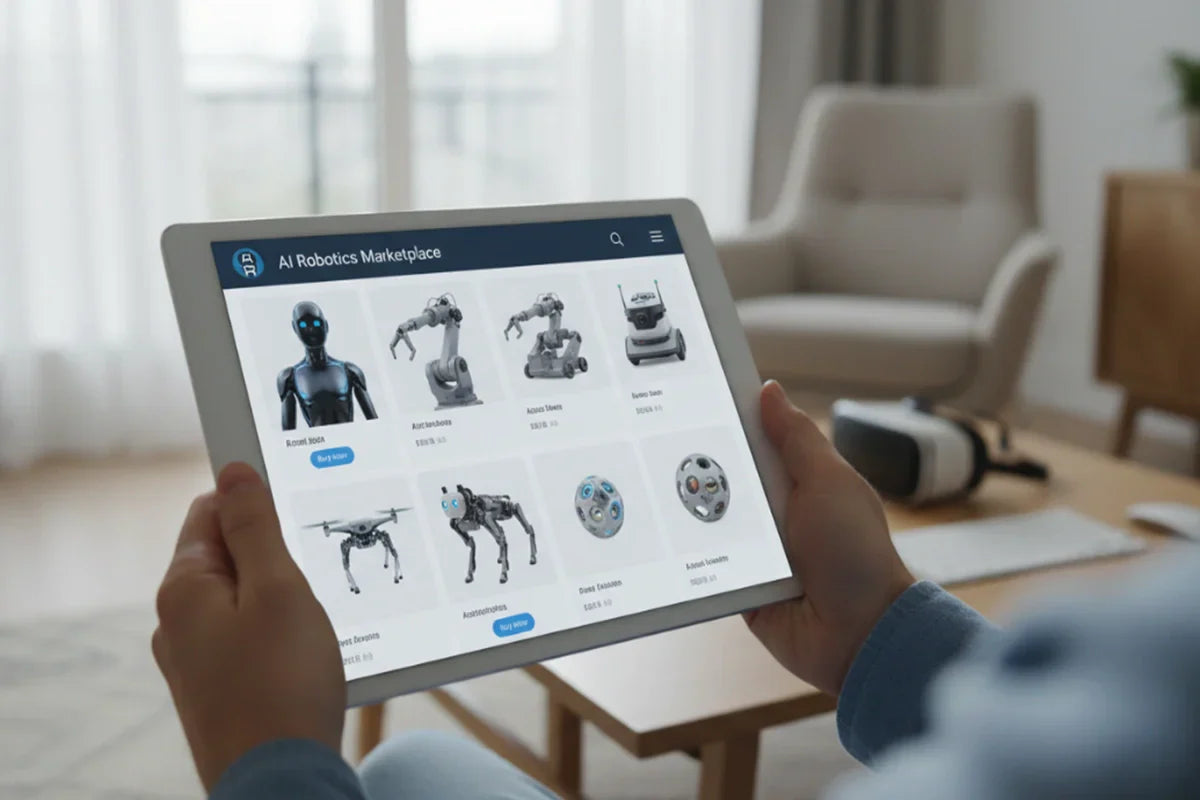
Where to Buy an AI Robot Online: Best Stores, Deals, and What to Check (2026 Guide)
February 12, 2026
Buying an AI robot online can feel like shopping in two worlds at once: half “normal e-commerce,” half “tech product that will live in your home and keep getting software updates.” The good news is you don’t need to be an engineer to buy smart—if you know where to shop, how to spot real deals, and what to verify before you click Buy Now.
Below is a practical, consumer-first guide you can use whether you’re eyeing a home companion robot, an education/coding bot, or a household helper.
Start with what kind of AI robot you’re buying
Before you compare prices, decide what “AI robot” means for you—because the best place to buy depends on the robot’s job (and how much support you’ll want afterward).
Common consumer categories
Home companion / social robots: Often camera/mic-equipped, app-driven, and update-dependent—support and warranty matter a lot.
Educational/coding robots: You’ll care about curriculum, replacement parts, and community lessons.
Household utility robots: Think “does it actually do the task reliably?” and “are parts easy to replace?”
30-second fit check
Where will it live (living room, kid’s desk, garage)?
Does it have a camera or mic (privacy expectations)?
Is it “works offline” or “needs cloud + subscription”?
Are you okay shipping it out for repairs, or do you need easy returns?
If the robot includes sensors like cameras/mics and connects to the internet, treat it like a smart device with stronger privacy/security considerations than a regular gadget.
Where to buy an AI robot online ?
Once you know the robot category, the next decision is where to buy it—and that choice can affect everything from authenticity and returns to repairs, parts, and software support. In the subsections below, we’ll compare the main online buying channels in a practical order, showing what each is best for and where shoppers most often get stuck.
Option A: The brand’s official online store (best for authenticity + support)
If the robot is a “serious device” (it moves around, has sensors, needs firmware updates), buying direct is often the least stressful route. You’re more likely to get:
Authentic hardware
Clean warranty coverage
Official parts and firmware support
This matters because robots aren’t “one-and-done” purchases—the software and service ecosystem can make or break the experience.
Option B: Major electronics retailers (best balance of convenience + policies)
Big retailers can be a sweet spot for mainstream consumer robots: solid logistics, easier returns, and add-on protection plans depending on region.
For example, Best Buy has dedicated robot categories (smart robots/household robots) and customer support resources that help buyers navigate warranty details.
Option C: Specialty robotics retailers (best for selection + expert-friendly details)
Specialty robotics shops are great when you want better specs, clearer compatibility info, or a curated selection beyond whatever is trending on marketplaces.
RobotShop, for instance, positions itself as a robotics-focused store with consumer robotics categories and support resources—useful if you’re shopping outside the usual big-box lineup.
Option D: Marketplaces (best selection, but you must vet sellers)
Marketplaces can offer the widest range and frequent promos—but you’ll want to be picky:
Confirm the seller is authorized (or at least reputable)
Avoid “seller warranty only” listings for robots that need long-term support
Read return conditions like your future self is already unhappy
Option E: Crowdfunding / preorder sites (highest risk, sometimes highest novelty)
This is where you’ll see the boldest claims and the longest timelines. If you go this route, assume:
Shipping dates can slip
Hardware may change between prototype and production
Refund terms may be complicated
A simple rule: if the robot will be around your kids/pets/home all day, prioritize a channel with strong support and clear warranty terms.
How to find real deals (without getting trapped by fake discounts)
“Deal hunting” for robots isn’t just about the lowest sticker price. The best deals usually reduce total ownership cost.
Deal types that actually matter for robots
Bundles (extra battery, docking station, accessories)
Extended protection (especially for mobile robots that bump into things)
Free returns / easy exchanges (your robot may not fit your home like the product page promised)
Some retailers offer protection plans as an upgrade to the manufacturer warranty; understand what’s covered and who provides service.
Quick “fake deal” sniff test
The listing is vague about warranty (“1 year warranty” but from whom?)
The seller name looks random, with limited history
The product photos/specs don’t match the manufacturer’s own listing
Return terms are restrictive (or quietly “final sale”)
Pro tip: For robots, “open-box/refurbished” can be great if the warranty is explicit and the return window is generous.
What to check before checkout (the buyer’s safety + satisfaction checklist)
This is the part most people skip—and the part that prevents regret.
A) Warranty + support (don’t assume it’s simple)
Warranty length and who honors it (manufacturer vs. retailer vs. seller)
Where repairs happen (local service vs. mail-in)
Replacement parts availability
Some robotics retailers publish warranty information and support routes—look for that before you buy.
B) Privacy + security (especially for camera/mic robots)
Ask these questions before the robot enters your home:
Can you mute the mic / disable camera easily?
What data is collected and shared?
Does the vendor provide regular security updates?
The FTC’s IoT security guidance emphasizes building security in connected devices, and UK/NCSC guidance reminds consumers to actively manage smart device security at home—both are relevant if your robot connects to Wi-Fi and uses sensors. Also, privacy regulators recommend checking for physical privacy features (like camera covers or hardware switches) and being comfortable with the access requested.
C) Performance reality checks (marketing vs. your home)
Look for specifics on:
Battery runtime in real usage (not ideal conditions)
Navigation limits (dark rooms, reflective floors, clutter)
Network requirements (some “AI features” are cloud-dependent)
D) Compatibility and regional issues
App availability in your country
Language support
Power adapters/charging standards
Smart home integrations (if you care)
E) Ongoing costs
Many “AI” features are increasingly subscription-based. Before buying, check:
Is anything paywalled after the trial?
Are premium features essential or optional?
After you buy: unboxing-to-day-7 steps that prevent buyer’s remorse
A robot isn’t like a toaster. Give it a fair trial—then decide quickly if it’s a keeper.
Day 0 (first hour): set it up like you’ll keep it
Update firmware right away
Review privacy settings before you place it in main living areas
Turn on auto-updates if offered (security matters)
Day 1–3: run a “real life” test
Use it at the times you actually need it (not when your house is spotless)
Test it in the messiest room
Watch for battery drop, navigation quirks, and app reliability
Day 7: make the keep/return call
If you’re unsure, ask:
Is the robot doing a real job—consistently?
Is support responsive?
Are you comfortable with the privacy settings long-term?
If the answer is “not really,” return windows close fast—don’t talk yourself into keeping an expensive experiment.
Conclusion
Buying an AI robot online is easiest when you treat it less like a novelty gadget and more like a long-term smart device. The “best” store isn’t always the one with the lowest price—it’s the one that can reliably back the product with authentic inventory, clear returns, real warranty coverage, and ongoing software support. If you choose your channel based on the robot’s purpose (companion, education, or household utility), you’ll narrow the field quickly and avoid most buyer regret.
Before you check out, take two extra minutes to confirm the essentials: who honors the warranty, what privacy controls exist for cameras and microphones, whether key features require a subscription, and how easy it is to return or repair the device. Then, once it arrives, run a realistic first-week test in your actual home setup. Do that, and you’ll end up with a robot that genuinely earns its place—rather than one that looks impressive online but disappoints in daily life.
FAQ
Is it safer to buy an AI robot from the official store?Often, yes—especially for robots that need firmware updates, parts, or warranty service. Official channels reduce gray-market risk and usually simplify support.
Are marketplace listings risky?Not always, but you should verify warranty coverage, seller reputation, and return terms carefully—robots are higher-maintenance than typical gadgets.
What’s the first thing to check before buying a home robot with a camera/mic?Privacy controls: whether you can disable sensors, what data is collected, and how updates/security are handled.

10 Best Little AI Robot Toys for Kids: Features, Safety, and Price Guide (2026)
February 12, 2026
If you’re shopping for a little AI robot for a child, you’re not just buying a toy—you’re choosing a mix of play value, learning design, and (sometimes) privacy settings. Below is a practical, parent-friendly list of 10 strong options, organized so you can skim fast and still make a confident choice.
Quick-Scan Summary
If you just want the fastest answer, start here. In the next few lines, you’ll see the top picks by use-case—then we’ll break down exactly why each one earns its spot.
Best Overall Interactive Companion: Loona (KEYi Tech)
Best Screen-Free Coding (No Tablet): Botley 2.0 (Learning Resources)
Best “School-Proven” Coding Robot: Dash (Wonder Workshop)
Best Rolling STEM Robot: Sphero BOLT+
Best Budget Coding Ball: Sphero Mini
Best Screen-Free Coding for Preschoolers: Cubetto (Primo Toys)
What “Little AI Robot” Means in Kids’ Toys
Before comparing models, it helps to agree on what “AI” actually means in children’s robot toys, set realistic expectations for daily use.
In kid-friendly robot toys, “AI” usually means some combination of:
Interactive behavior (responds to voice, touch, motion, or sensors)
Personalization (learns preferences, reacts differently over time)
Adaptive play (games/skills that adjust difficulty or content)
What it doesn’t necessarily mean: a true “home assistant,” flawless conversation, or safe-by-default internet features. When a robot has mics/cameras + connectivity, the “best” choice depends as much on your privacy comfort level as your budget.
How We Chose the 10 (Transparent Ranking Method)
A “best-of” list only matters if the rules are clear. Below is the scorecard we used to judge every robot.
Every pick below is evaluated using a simple scorecard:
Play Depth: will kids come back after week two?
Learning Value: coding logic, problem-solving, creativity, or social play
Safety & Privacy: materials + child data safeguards (when connected)
Ease of Use: setup, stability, updates, child independence
Value: what you get without surprise ongoing costs
Non-negotiables (instant red flags)
No clear age guidance or safety documentation
“AI” claims with unclear privacy controls
Heavy subscription lock-in without upfront transparency
Price Guide: What You Usually Get at Each Tier
Robot toys vary wildly in price, and the “extra money” doesn’t always buy extra value. Here’s what typically changes as you move up each price tier, plus the hidden costs that can surprise parents later.
Under $50: starter robots, basic coding games, smaller sensors (often Bluetooth)
$50–$120: stronger build, more activities, better app ecosystems
$120–$250: richer interactions, more sensors, longer-term engagement
$250+: premium companions, more complex interaction systems, often more “smart features”
Hidden cost checklist: subscription content, replacement parts, expansion kits, warranty plans.
The 10 Best Little AI Robot Toys for Kids (Main List)
We will provide a detailed overview of which users these 10 products are best suited for, their advantages, their disadvantages, and the practical significance of their price ranges.
1 Best Overall Interactive Companion: Loona Robot
Best For: families who want a lively “pet-like” companion robot with strong personalityAge Fit: commonly positioned for kids around 5+ (check your child’s maturity + supervision needs) Interaction Style: app + smart behaviors + sensor-driven play
Standout features
Built as an AI robot pet companion experience (play + personality + engagement loops)
Supports an official Loona app (control + scenarios + programming features)
Safety/Privacy notes
As with many companion-style robots, app connectivity can be a plus (features) and a responsibility (permissions).
Price Tier: PremiumPros: high “bonding” potential; lots of moments that feel like a real companionCons: connected features mean parents should do a quick privacy setup
Quick verdict: If your kid wants a robot pet with personality (not just a coding tool), Loona robot is a strong centerpiece pick—just set it up like you would any smart device.
2 Best “School-Proven” Coding Robot: Dash (Wonder Workshop)
Best For: kids who love building challenges and learning coding step-by-stepAge Fit: commonly used for kids roughly 6–11 Interaction Style: app-based coding (Blockly-style puzzles/projects)
Standout features
Coding apps with guided puzzles + open-ended creation
Many classroom-oriented lesson ecosystems around Dash (helpful if you want structure)
Safety/Privacy notes
Strong parent-friendly note: some listings highlight Dash does not contain a camera, which may ease privacy worries.
Price Tier: Mid to upper-midPros: structured learning path; great “I built something!” payoffCons: best experience typically requires a phone/tablet
Quick verdict: If you want an actual coding journey (not just robot entertainment), Dash is one of the safest bets.
3 Best Screen-Free Coding (No Tablet): Botley 2.0 (Learning Resources)
Best For: parents who want coding logic without handing over a screenAge Fit: as young as 5 Interaction Style: remote-programmer + coding cards + physical challenges
Standout features
Designed around 100% screen-free coding play
Can build longer sequences (up to many steps), which is where coding concepts “click”
Safety/Privacy notes
Great privacy profile: no app accounts required for core play (less data exposure by design).
Price Tier: MidPros: screen-free; fast setup; easy for siblings to shareCons: less “personality” than companion bots
Quick verdict: The best pick when you want coding fundamentals without screen-time negotiations.
4 Best Rolling STEM Robot: Sphero BOLT+
Best For: kids who learn best by experimenting (and don’t mind a little trial-and-error)Age Fit: often positioned around 8+ Interaction Style: app-based coding + sensors + on-robot display
Standout features
Programmable animations/messages on an LCD display; sensor-driven activities
Durable, waterproof-style design is often highlighted for rougher play environments
Safety/Privacy notes
Primarily a coding/learning robot; typical considerations are device/app permissions rather than microphones/cameras.
Price Tier: Upper-midPros: huge learning runway; great for STEM-minded kidsCons: needs space to roll (not ideal for tiny apartments + fragile decor)
Quick verdict: A top pick for kids who want to test, tweak, and level up over months—not days.
5 Best DIY Robotics Starter Kit: Makeblock mBot (or mBot2)
Best For: kids who like building + tinkering (and parents who don’t mind helping once)Age Fit: commonly marketed for kids learning to code and build Interaction Style: build it → code it (block-based; some models support Python/Arduino paths)
Standout features
Beginner-friendly build + drag-and-drop coding on many bundles
Clear upgrade path if your child “outgrows” beginner coding
Safety/Privacy notes
Typically less about child data, more about safe building + supervision.
Price Tier: MidPros: strong STEM value; satisfying “I made this” experienceCons: assembly time; small parts (follow age guidance)
Quick verdict: Great when your goal is real robotics basics, not just a cute companion.
6 Best Educational AI Companion (Screen Built-In): Miko 3
Best For: families who want a learning-focused companion with guided contentAge Fit: often listed around 5–10 Interaction Style: AI-driven content + built-in screen experiences
Standout features
Positioned as an educational companion with interactive learning + entertainment
Safety/Privacy notes
Because it’s a connected “AI companion” category, use the COPPA-aware checklist and keep an eye on permissions/parent controls.
Price Tier: Mid to upper-midPros: structured learning content; engaging for kids who like guided activitiesCons: screen-based experience may be a downside for screen-light households
Quick verdict: Best when you want guided learning + companionship in one device.
7 Best “Cute Desk Buddy” Companion: Eilik
Best For: kids who want emotional reactions and playful companionship (short sessions)Age Fit: broadly marketed as family-friendly (check age guidance from the seller) Interaction Style: expressive reactions, desk-friendly play loops
Standout features
Designed as an emotionally expressive desktop companion
Safety/Privacy notes
Often simpler than full “AI cloud companion” robots—still, follow seller guidance and supervise younger kids.
Price Tier: MidPros: adorable, low-setup, easy to loveCons: less “learning curriculum” than coding robots
Quick verdict: A strong choice for wholesome companion energy without building a full coding program around it.
8 Best for Classroom-Style STEAM Builds: LEGO Education SPIKE Essential
Best For: kids who love LEGO-style building + guided STEAM challengesAge Fit: primary/elementary learning range Interaction Style: build + app-based lessons/projects
Standout features
Structured STEAM lessons and build instructions ecosystem
Important availability note
Some regional pages indicate retirement timelines (availability can vary by country/region).
Price Tier: Upper-midPros: strong build creativity; great for clubs and structured learningCons: may be overkill if your kid wants “a buddy,” not “a project”
Quick verdict: Ideal for builders who thrive with guided challenges and modular creations.
9 Best Preschool “First Coding Toy”: Fisher-Price Think & Learn Code-a-Pillar Twist
Best For: ages where “coding” should look like play—twist, plan, try, laughAge Fit: commonly cited 3–6 Interaction Style: physical segments + simple sequencing logic
Standout features
Early problem-solving and sequencing without screens
Safety/Privacy notes
Mostly physical-play considerations; follow age grading and supervision.
Price Tier: Budget to midPros: perfect “first logic toy”; easy family participationCons: kids may outgrow it once they want real programming blocks
Quick verdict: Great starter for preschoolers—teaches planning without feeling like homework.
10 Best Screen-Free Coding for Preschoolers: Cubetto (Primo Toys)
Best For: Montessori-leaning homes and kids who learn with hands + storiesAge Fit: 3–6 Interaction Style: tangible programming blocks + playful navigation challenges
Standout features
Screen-free coding approach designed for early learners
Safety/Privacy notes
Big privacy win: no app accounts needed for core experience.
Price Tier: MidPros: calm, tactile, story-driven learningCons: not the pick for kids who want fast-moving “robot tricks”
Quick verdict: A lovely choice if you want quiet, durable, screenless coding play.
Comparison Table (Decision Shortcut)
If you’re deciding between two or three options, this table is the fastest way to narrow it down.
Pick
Best For
Approx Age
Screen Needed?
“Privacy Load”*
Price Tier
Loona
Companion + personality
5+
Optional app
Medium–High
Premium
Dash
Coding progression
6–11
Yes
Low–Medium
Mid–Upper
Botley 2.0
Screen-free coding
5+
No
Low
Mid
Sphero BOLT+
Sensor STEM + coding
8+
Yes
Low–Medium
Upper-mid
mBot / mBot2
DIY robotics
~6+/8+
Yes
Low
Mid
Miko 3
Guided learning companion
5–10
Built-in
Medium–High
Mid–Upper
Eilik
Cute companion desk bot
varies
No/Minimal
Low
Mid
SPIKE Essential
LEGO-style STEAM builds
elementary
Yes
Low–Medium
Upper-mid
Code-a-Pillar Twist
preschool sequencing
3–6
No
Low
Budget–Mid
Cubetto
screen-free early coding
3–6
No
Low
Mid
How to Choose the Right Robot for Your Kid
There isn’t one perfect robot for every child—there’s a perfect match for your child. Below are three quick decision paths: first by age, then by personality, and finally by household rules like screen time and connectivity.
Choose by age (fast)
3–6: Code-a-Pillar Twist, Cubetto
5–8: Botley 2.0, Dash (with help), Loona (if they want a “pet-like” robot)
8+: Sphero BOLT+, Sphero Mini, mBot/mBot2
Choose by personality
Story + companionship: Loona, Eilik, Miko 3
Builders + tinkerers: mBot/mBot2, SPIKE Essential
Puzzle solvers: Botley 2.0, Dash
Experimenters: Sphero BOLT+
Choose by household rules
Screen-light home: Botley 2.0, Cubetto, Code-a-Pillar Twist
Privacy-first home: favor screen-free + local-play robots; use COPPA-minded setup for any connected toy
Conclusion
Choosing the right little AI robot toy isn’t about finding the “most advanced” option—it’s about matching the robot to your child’s age, personality, and your family’s comfort level with screens and connectivity.
If your child is looking for a robot companion with strong personality and interactive play, Loona can be a standout choice—especially for families who want a pet-like experience at home. If your priority is STEM learning and coding skills, robots like Dash, Botley 2.0, and Sphero-style options tend to deliver the most measurable progress over time. And if you’re buying a first robot on a tighter budget, a simpler pick can still be a great “trial run” before investing in a premium companion.
Before you click “buy,” do one last quick check: age grading, durability, privacy controls (if connected), and total cost (including any subscriptions or accessories). A well-chosen AI robot toy should feel less like a gadget—and more like a toy your kid actually comes back to week after week.
FAQ
Are AI robot toys safe?Most are safe when you buy from reputable brands/sellers and follow age grading. In the U.S., toy safety is anchored by ASTM F963 as a mandatory standard.
Do they record audio/video?Some do; some don’t. Treat any connected toy like a smart device: check app permissions and settings. COPPA is the key U.S. privacy framework for child-directed services.
Do I need Wi-Fi?Not always. Screen-free coding robots like Botley 2.0 and Cubetto are designed specifically to work without it.
Are subscriptions worth it?Sometimes—if they truly add new content your child uses weekly. If your kid mainly enjoys physical play, screen-free robots often offer better long-term value.

Robots with AI: What They Are, How They Work, and Real-World Examples
February 23, 2026
“AI robots” often make people think of humanoids with arms and faces. In reality, most robots with AI don’t look like humans at all—they’re usually wheels, sensors, and software working together. What makes them impressive isn’t the shape of the body, but their ability to handle the real world: messy homes, moving people and pets, changing lighting, clutter, cords, and unexpected obstacles.
This article explains what robots with AI really are in practical, consumer-friendly terms. You’ll learn how AI-enabled robots follow a simple loop—sense → think → act → improve—to perceive their environment, make decisions, and perform tasks without constant step-by-step control. We’ll also break down what actually matters before you buy, including navigation reliability, obstacle avoidance, recovery behavior, safety, privacy and data controls, and total cost of ownership. Finally, we’ll ground the discussion with real-world categories like robot vacuums, delivery robots, warehouse automation, and inspection robots, plus a realistic look at the near-future features consumers will truly feel.
What “robots with AI” really are
A robot is a programmed, actuated mechanism with some degree of autonomy that can do locomotion, manipulation, or positioning. That’s not marketing copy—ISO’s robotics vocabulary standard puts it plainly.
Now add AI, and the robot gets better at dealing with reality: messy homes, moving people, weird lighting, clutter, and surprise obstacles. The OECD’s definition of an AI system emphasizes a machine-based system that, toward human-defined objectives, can produce outputs like predictions, recommendations, or decisions that influence environments (real or virtual), often with varying autonomy.
The helpful consumer definition
A robot with AI is a physical machine that uses AI to perceive what’s happening, decide what to do next, and act—without you micromanaging every step.
Common myth: “AI robot = humanoid”
Not at all. Most AI-powered robots don’t have arms—or even faces. Many are wheels + sensors + software. The “wow” is not the body shape. It’s the robot’s ability to handle the unexpected.
How they work: the 4-layer “sense → think → act → improve” loop
Almost every AI robot—home or industrial—runs some version of this loop:
Sense: collecting clues from the real world
Robots don’t “see” like humans. They sample signals:
Cameras (visual details, object recognition)
Depth sensors / LiDAR (distance and room geometry)
IMUs (how the robot is moving/tilting)
Ultrasonic / bump sensors / wheel encoders (close-range safety + movement feedback)
Think: turning sensor data into decisions
This is where AI earns its keep. Depending on the robot, “thinking” can include:
Perception: “Is that a cord or a rug fringe?”
Mapping/localization: “Where am I in this room?”
Planning: “What path gets me there without hitting the dog bowl?”
Control: “How do I move smoothly and stop safely?”
A key consumer takeaway: robots don’t need human-level intelligence to be useful. They need reliable perception + planning for a narrow job.
Act: doing the physical work
This is the part you notice:
Motors spin wheels, arms, or brushes
Grippers grab items
Docks charge and sometimes empty bins
Safety routines slow/stop movement around people or pets
If the “think” layer is weak, you’ll feel it as:
random detours
repeated bumps
getting stuck in the same spot
weird “I’m lost” moments
Improve: getting better over time (in two different ways)
Robots typically improve via:
Software updates (new features, bug fixes, better obstacle models)
Learning from use (sometimes on-device, sometimes with cloud support)
For consumers, “improve” has a twin question: privacy. If a robot uses cameras/mics and cloud processing, you’ll want clear controls and transparency about what’s stored and why.
What to look for before you buy: a consumer-friendly checklist
If you’re shopping (or even just comparing), here are the questions that actually predict day-to-day satisfaction.
A. Performance you’ll feel in the first week
Navigation reliability: Does it cover the space without “wandering”?
Obstacle handling: Does it avoid cords, socks, and pet bowls—or just shove them around?
Recovery behavior: When it gets confused, can it recover without you rescuing it?
B. Safety & trust (especially with kids/pets)
Predictable stopping and rerouting
Clear camera/mic indicators and controls
Fail-safes (what happens if Wi-Fi drops or a sensor is blocked?)
Even broad standards vocabulary highlights autonomy based on sensing—meaning sensing failures can directly affect behavior.
C. Privacy & data: the questions most people forget to ask
Is camera footage stored?
Is audio involved (and can it be disabled)?
Is processing done locally, in the cloud, or both?
Can you delete maps/data easily?
This matters more now because modern consumer robots increasingly use vision for obstacle recognition and mapping.
D. Total cost of ownership
It’s not just sticker price.
consumables (filters, bags, brushes)
repairs (battery replacement, wheel modules)
subscriptions (some brands lock advanced features behind plans)
A robot that’s $100 cheaper but needs constant babysitting ends up “expensive” in a different way: your time.
Real-world examples (by category) and what they’re good at
Let’s ground this in familiar, real deployments—no sci-fi required.
Home robots: where AI is mostly about “not being annoying”
Robot vacuums and mops are the most common AI robots consumers own. The best ones use AI to reduce friction:
recognizing objects (cords, shoes, pet waste)
navigating efficiently
adapting routes when chairs move
iRobot’s Roomba j7/j7+ is a clear example of a consumer robot marketed around AI-based recognition and avoidance.
Who benefits most: busy households, pet owners, anyone who wants “set it and forget it” cleaning (instead of a gadget that becomes another chore).
Delivery robots: “AI” is mostly navigation + safety
Sidewalk delivery robots are a good example of narrow autonomy: they don’t need to “understand the world,” but they do need to navigate it consistently.
Starship, for instance, describes its robots as 99% autonomous, learning over journeys, with millions of deliveries completed.
Who benefits most: campuses, dense neighborhoods, and controlled routes—places where the environment is predictable enough for strong autonomy.
Warehouses and logistics: robots that quietly run modern commerce
In warehouses, AI robots shine because the work is repetitive—but the environment is busy.
Amazon’s Proteus was introduced as a fully autonomous mobile robot designed to operate safely in spaces with employees. Separately, reporting notes the scale of Amazon’s robotics footprint (hundreds of thousands of robots in fulfillment operations) and highlights multiple robot systems used for transport, sorting, and picking.
Who benefits most: anyone who likes fast shipping (so… everyone), plus workers when robots reduce heavy pushing/lifting or repetitive strain tasks—when deployed thoughtfully.
Industrial inspection and hazardous environments: “send the robot, not the human”
Robots like Boston Dynamics’ Spot are used in places that are dull, dangerous, or difficult—construction sites, industrial facilities, labs. Boston Dynamics positions Spot around “360° perception” and autonomy for real-world operations.
Who benefits most: organizations that need repeatable inspections, data capture, or remote operation in risky areas.
Near-future features consumers will actually feel
The next wave of “AI robots” won’t just be flashier. They’ll be less needy.
More natural interaction (without gimmicks)
Voice control will keep improving, but the real win is when robots understand context:
“Clean under the dining table after dinner”
“Avoid the baby play mat”
“Do a quiet run while I’m on a call”
Better boundaries and explainable behavior
Consumers don’t need a robot that’s “smart.” They need a robot that’s predictable.Expect more:
granular no-go zones
“why I avoided that area” explanations
clearer mapping controls
Interoperability that reduces app clutter
Right now, many homes have a different app for every device. As ecosystems mature, robots that integrate cleanly into broader smart-home routines will feel less like gadgets and more like appliances.
A realistic takeaway: where AI robots are worth it today
AI robots already make strong sense when:
the task is frequent (daily cleaning, deliveries, inspections)
the environment is somewhat repeatable
the robot’s autonomy reduces your effort instead of increasing it
Where hype still shows up:
“general-purpose” home humanoids promising too much, too soon
robots that require constant “training” or babysitting
features that sound smart but don’t improve outcomes (or privacy)
Conclusion
Robots with AI are not defined by humanoid designs or sci-fi promises. A more accurate definition is simple: a physical robot that uses AI to sense what’s happening, decide what to do next, and act with real autonomy—so you don’t have to micromanage every step. When the “thinking” layer is strong, you experience fewer frustrations: less wandering, fewer bumps, fewer stuck moments, and better recovery when something goes wrong.
For buyers, the best measure of an AI-powered robot isn’t “how intelligent it sounds,” but whether it reliably reduces your effort in a narrow, high-frequency job—like daily floor cleaning, safe sidewalk navigation for deliveries, warehouse transport, or industrial inspections. At the same time, modern AI robots raise practical questions about privacy, data storage, on-device vs. cloud processing, and long-term ownership costs such as consumables, repairs, and subscriptions.
Looking ahead, the most valuable progress in consumer robotics won’t be flashier demos—it will be robots that are simply less needy: more natural commands, clearer boundaries, more explainable behavior, and smoother smart-home integration. In the end, the best AI robots will feel less like gadgets and more like appliances—quietly doing the job well, with minimal attention from you.

What Is a Pet Realistic Robot Dog? Benefits, Limitations, and Who It’s For
February 11, 2026
Picture this: you love the idea of a dog greeting you at the door, following you around the house, and making the living room feel less quiet—but you don’t love shedding, barking complaints from neighbors, pet deposits, vet bills, or the guilt of leaving a real animal alone for long hours.
That “in-between” need is exactly where the pet realistic robot dog category lives: pet-like companionship, delivered through robotics and interactive behaviors, without many of the long-term responsibilities of pet ownership.
This guide breaks down what a pet realistic robot dog really is, what it’s great at, what it can’t replace, and who tends to be happiest buying one.
1) Definition: What “Pet Realistic Robot Dog” Actually Means
A pet realistic robot dog is an interactive robot designed to feel “pet-like” in presence, behavior, and responsiveness. It’s not just a remote-control toy, and it’s not meant to be a literal substitute for a living dog. Instead, it aims for believable companionship—the sense that something is “there with you,” reacting to you, and forming routines.
1.1 The “Realistic” Part: What Counts as Realism?
When people say “realistic,” they usually mean some combination of:
Physical realism: size, proportions, texture, stable movement, and a “grounded” feel in a room
Behavior realism: natural-looking gestures (head turns, tail movement), curiosity, and idle behaviors
Social realism: reacting to voice, touch, proximity, and attention cues
Emotional realism: calming signals and “comfort behaviors” (gentle sounds, slow movement, staying nearby)
Design choices like eye contact and socially meaningful gaze can strongly influence how “social” a robot feels to people.
1.2 The “Pet” Part: Why People Treat It Like a Companion
Humans bond quickly to things that respond consistently. A robot dog becomes “pet-like” when it does the small stuff well:
it acknowledges you when you enter
it reacts when you speak or reach out
it repeats routines that become familiar (a morning greeting, an evening “settle”)
Mirroring and non-verbal social cues can also increase how positive and “natural” a human–robot interaction feels.
1.3 The “Robot Dog” Part: The Core Tech Behind the Experience
Most pet realistic robot dogs rely on a similar loop:
Sensing: touch sensors, distance sensors, camera and/or microphone
Interpretation: onboard processing (and sometimes cloud support)
Actuation: motors for movement and gestures, speakers for sound
Feedback: it reacts → you react → a routine forms
That loop is what turns a gadget into something that feels companionable.
2) How It Works in Daily Life (What Ownership Feels Like)
What most people really want to know is: what is it like to live with one? To answer that, it’s best to walk through the first week, the interactions people actually use, and the small maintenance habits that shape the day-to-day experience.
2.1 The First-Week Reality Check
The first week usually includes:
charging + getting used to battery rhythm
setup steps (app pairing if applicable, updates, permissions)
learning what the robot “understands” well (and what it doesn’t)
A helpful mindset: you’re not training a pet—you’re learning a product’s interaction style.
2.2 The Interactions People Actually Use Most
In real homes, the most-used moments tend to be simple:
greeting behaviors (“hey buddy” → turns toward you)
follow-me or “hang out” modes
light play (short games, reactions, sound cues)
quiet companionship (stays nearby, small movements, gentle engagement)
These small interactions often matter more than flashy tricks.
2.3 Maintenance vs. “Care”
Instead of feeding/walking/vet visits, the routine looks like:
charging (often daily or every few days, depending on use)
cleaning (dust, hair, and smudges)
updates (firmware improvements and bug fixes)
safe storage (especially around stairs, wet areas, or curious kids/pets)
3) Benefits: Why Consumers Buy Pet Realistic Robot Dogs
3.1 Lifestyle-Friendly Companionship
A major reason people search pet realistic robot dog is simple: companionship that fits modern constraints.
no shedding and minimal mess
usually easier for apartments and shared housing
often better for allergies than real pets (though you still want to check materials)
3.2 Emotional Comfort (Without Overpromising)
Many buyers want a calming presence, not a “replacement pet.” Research on socially assistive robots suggests they may help with loneliness and social interaction in some contexts, but the evidence is mixed and outcomes can vary by person and setting.
A healthy expectation is: it can offer soothing routines and interaction, but it’s not therapy and not a living relationship.
3.3 Learning & Play Value
For families, robot dogs can:
encourage gentle responsibility habits (charging routine, careful handling)
spark curiosity about robotics and AI—without feeling like a classroom project
3.4 Predictability and Control
Unlike a real dog:
you can often adjust volume, interaction frequency, and “quiet time”
behavior tends to be more predictable (no sudden biting, no unpredictable accidents)
If your goal is low-effort companionship—especially for apartments or busy schedules—companion-oriented options like Loona Robot can be a better fit than toy-grade robot dogs that mainly focus on short games.
4) Limitations: What It Can’t Replace (And What Brands Don’t Always Say)
To avoid disappointment, it’s worth getting clear on the most common trade-offs—emotional boundaries, real-world performance limits, durability, privacy considerations, and the total cost beyond the sticker price.
4.1 It Won’t Love You Back (The Emotional Boundary)
A robot dog can simulate affection cues, but it doesn’t have needs, instincts, or genuine attachment. For some people, that’s exactly why it feels safe and low-pressure. For others, it’s where the “magic” stops.
4.2 Real-World Performance Constraints
Common friction points:
battery life (heavier movement + higher volume often drains faster)
noise (motors and movement can be noticeable, especially at night)
environment limits (thick carpet, cluttered floors, stairs, tight spaces)
recognition variability (lighting and room noise can affect camera/mic performance)
4.3 Durability and Repair Reality
Robot dogs have moving parts. Over time, wear can happen in:
joints, motors, gears
exterior coverings (especially with kids)
charging connectors and docks
Before buying, it’s worth checking warranty length and support responsiveness.
4.4 Privacy & Data Considerations (Simple, Practical)
If the robot uses a camera and/or microphone, treat it like a smart device:
review what it records (if anything), what it stores, and what it uploads
check app permissions and settings
look for clear disclosures and transparent privacy practices
Consumer-focused guidance on smart device safety and privacy emphasizes being intentional about setup, settings, and what data you share.
4.5 Total Cost of Ownership
Beyond the price tag, consider:
replacement parts (if offered)
accessories
potential subscriptions (for premium AI features on some models)
5) Who It’s For: 6 Real Buyer Profiles
The “right” pet realistic robot dog isn’t just about specs—it’s about fit. Match the features that matter to that situation.
5.1 Seniors Seeking Daily Companion Moments
Best fit when the priority is:
gentle interaction
simple controls
predictable routines and calm “presence”
Research on social robots in aging populations often focuses on companionship-style benefits like social interaction and reduced loneliness, though results differ across studies.
5.2 Kids Who Want a “Pet Experience” Without the Commitment
Great for:
kids who beg for a pet, but the family isn’t ready
households wanting to practice responsibility routines (care + respect)
Prioritize: durability, safe materials, stable movement, and parental settings.
5.3 Busy Professionals & Apartment Dwellers
Ideal if you want:
a friendly presence at home
interaction you can “turn on/off”
a companion vibe without daily pet logistics
5.4 Families Not Ready for a Real Dog Yet
Useful as a “bridge”:
teaches consistent routines
helps families learn what day-to-day “pet energy” feels like
keeps the household engaged without long-term commitment
5.5 People With Allergies or Housing Restrictions
A common reason people choose this category:
fewer allergy triggers than a real animal (depending on materials)
avoids many pet-policy issues (though always check your building rules)
5.6 Tech Enthusiasts Who Want an Interactive Home Companion
Best fit when you enjoy:
customization
frequent feature updates
experimenting with behaviors and modes
6) Quick Self-Assessment: “Should I Buy One?” Checklist
If you’re still on the fence, a short checklist can help turn gut feelings into a clear decision. The questions below are designed to reveal whether you want a low-effort companion, a high-interaction tech pet, or something closer to a real-pet experience.
Ask yourself:
Do I want comfort + interaction, or do I specifically want a living bond?
Am I okay with charging it like a phone (and keeping it updated)?
Will motor noise or movement bother me (or my neighbors) at night?
Is my home robot-friendly (floors, clutter, stairs)?
Do I have strong privacy preferences about cameras/mics in the home?
Am I buying this for a child—do I want toy fun or companion-style interaction?
If your answers lean toward “I want companionship but not the full responsibility,” this category is usually a strong match.
7) What to Look For When Shopping (Without Getting Lost in Spec Sheets)
The simplest approach is to evaluate “realism” as an experience—then validate it with interaction quality, home-fit factors, and trust signals you can actually verify.
7.1 A Simple Realism Scorecard
When comparing models, focus on outcomes:
Responsiveness: does it react quickly and consistently?
Behavior variety: does it feel repetitive after a week?
Stability: does it move smoothly without tipping or jittering?
Noise level: can it be calm and quiet when needed?
Home compatibility: carpet, thresholds, tight spaces
Support: warranty, parts, updates, customer service
7.2 Interaction Quality Beats “More Sensors”
A robot with many sensors can still feel lifeless if its behavior design is shallow. Eye contact and social cues, for example, can matter more than a longer spec list.
7.3 Trust Signals You Can Verify
clear update history
transparent privacy language and controls
accessible support channels
replacement parts availability8) Common Misconceptions (Myth vs. Reality)
Myth: “It’s basically a real dog replacement.”Reality: It’s a companion category—pet-like, not living.
Myth: “More AI always means more realistic.”Reality: Behavior design + responsiveness often drive realism more than raw AI claims.
Myth: “All robot dogs are the same.”Reality: There’s a big difference between toy-grade and companion-grade experiences.
Conclusion
A pet realistic robot dog isn’t a living pet and shouldn’t be sold as one. But for the right buyer, it can be something surprisingly valuable: a friendly presence, interactive routines, and a low-pressure sense of companionship—without shedding, barking, or lifelong commitment.
If your goal is comfort and interaction without the full responsibilities of pet ownership, this category is worth considering. If your goal is a real emotional bond with a living being, nothing fully replaces that—and that’s okay.
FAQs
Is a pet realistic robot dog good for seniors?It can be, especially for people who want light companionship and routine without pet care demands. Research on social robots suggests potential benefits for social interaction and loneliness in some settings, though experiences vary.
Can it work without Wi-Fi?Some can do basic interactions offline, but app features, updates, or advanced voice/vision may require connectivity (check the specific model’s details).
How long does the battery last?Battery life depends on movement, volume, and how often interactive features run. Expect shorter life with active play and longer life in calmer modes.
Is it safe for kids?Generally yes when it’s designed for home use, but look for stable movement, kid-safe materials, and age guidance. Supervision is wise for younger children.
Does it record video or audio?Some models use cameras/mics for interaction. Before buying, read the privacy disclosures and settings, and configure the device intentionally.

AI Toy Robot Guide: Features, Benefits, and How to Choose the Right One
February 11, 2026
Buying an AI toy robot isn’t just about picking the cutest design or the loudest “smart” claims. The right robot can spark daily conversations, support screen-light learning, and make playtime feel more interactive—while the wrong one can end up as a pricey novelty. In this guide, we’ll break down the features that truly matter (from voice quality to offline modes), the real benefits for kids and parents, and a practical checklist to help you choose a robot that fits your child’s age, your home’s privacy expectations, and your budget.
Quick Answer
Definition: An AI toy robot is an interactive toy that responds using sensors (touch/voice/vision), software “smarts,” and a personality layer to create two-way play, not just pre-recorded actions.
What matters most: The best AI toy robots balance conversation quality, safety/privacy controls, durable hardware, and a strong content ecosystem.
Buying shortcut: Choose based on age fit + offline usefulness + privacy transparency + total cost (including subscriptions).
What an AI Toy Robot Really Is (and What It Isn’t)
If you’ve ever watched a kid talk to a toy like it’s a little friend, you already understand the appeal. A good AI toy robot feels responsive—like it’s participating, not just performing.
What it is
An AI toy robot combines:
Input: microphones, touch sensors, sometimes cameras or distance sensors
“Brain”: software that interprets what’s happening (speech, gestures, routines)
Output: voice, movement, lights, expressions, games, stories, or coaching
The magic isn’t “perfect intelligence.” It’s the toy’s ability to adapt—remember a preference, switch modes, suggest a new game, or guide a kid from one activity to another.
What it isn’t
Not a phone replacement: It shouldn’t push unlimited internet content.
Not a household assistant: A toy robot is for play and learning, not managing your calendar.
Not “always listening” by default: Many are wake-word based or have physical mic controls—how clearly the brand explains this matters.
Who it’s for (simple snapshot):
Ages 3–6: simple voice commands, short games, lots of physical feedback (lights/movement)
Ages 7–10: longer conversations, challenges, creativity tools, light STEM activities
Family play: routines, co-op games, storytelling prompts, language practice
A great AI toy robot feels interactive because it can sense, interpret, and respond in ways that change based on the child—not just play a scripted routine.
Core Features That Change the Experience
When people say “smart toy,” they usually mean one of these. The key is knowing which features actually improve day-to-day play.
A) Conversation & Voice (the #1 dealbreaker)
What to look for:
Response time: Does it answer quickly enough to feel like a real exchange?
Speech clarity in real life: Kids mumble, rooms get noisy—does it keep up?
Kid-appropriate conversation: Does it stay on-topic, avoid odd phrases, and handle “why?” questions well?
Offline or limited-online modes: Useful for travel, bedtime, or privacy-first households
Multilingual support: Great if your home uses more than one language
Practical tip: If conversation is the main selling point, prioritize natural turn-taking over fancy movement.
B) Movement & Interaction (what makes it feel “alive”)
Even simple movement can change everything:
Gestures and body language: nods, turns, “listening” posture
Expressive lights or eyes: emotional cues kids understand instantly
Touch reactions: head pats, high-fives, button-free controls
Obstacle detection: prevents constant bumps and frustration
What consumers often miss: A toy that moves less but responds better can feel smarter than a toy that dances a lot.
C) Content Ecosystem (the “will my kid get bored?” factor)
A robot is only as good as what it can do on week three.Look for:
Variety: stories, quizzes, roleplay, music, routines, mini-missions
Updates: seasonal content, new games, bug fixes
Customization: names, voices, “jobs” (helper, explorer, storyteller), rewards
Difficulty scaling: grows with the child instead of becoming a novelty
For most families, the content ecosystem determines whether an AI toy robot becomes a daily companion or a one-week wonder.
Benefits for Kids and Parents (Beyond “It’s Fun”)
Yes, it should be fun. But the best AI toy robots deliver value that shows up in ordinary moments—after school, before dinner, on rainy weekends, or when you’re juggling everything at once.
Benefits for kids
Curiosity on tap: robots can turn “I’m bored” into a scavenger hunt, a story prompt, or a quick challenge
Language practice: repetition without judgment—kids will try again because the toy is patient
Storytelling & creativity: roleplay modes encourage imagination without a screen-heavy setup
STEM thinking (lightweight): cause-and-effect, sequences, simple logic games, basic coding patterns
Social-emotional cues: turn-taking, polite requests, naming feelings (especially with expressive feedback)
Benefits for parents
Smoother transitions: “one more game” becomes “let’s do a two-minute mission, then brush teeth”
Co-play without planning: parents can join for five minutes and still feel included
Screen-light entertainment: interactive without defaulting to a tablet
Confidence through controls: strong parental settings reduce the “what is it hearing?” worry
A realistic expectation: No robot replaces parenting. But a well-designed one can be a helpful catalyst—a tool that makes the day a bit easier and play a bit richer.
The best AI toy robots create ‘micro-moments’ of learning and calm—short interactions that fit real family life.
How to Choose the Right One: A Practical Buying Framework
This is the section that saves you money and prevents disappointment. Use this checklist like a filter—if a robot fails the basics, don’t let flashy videos talk you out of it.
Step 1: Fit (age, attention span, and play style)
Ask:
Will the child enjoy conversation, movement, or missions most?
Can the robot do something satisfying in 30–90 seconds for short attention spans?
Is it durable enough for real handling (drops, grabs, stuffed backpacks)?
Good match examples:
Chatty kid: prioritize voice quality and story modes
Busy hands kid: prioritize touch reactions and physical games
Shy kid: prioritize guided prompts and gentle encouragement
Step 2: Safety & trust (privacy is a feature, not a footnote)
Look for clear answers to:
What data is collected? (voice clips? usage logs?)
Where is it processed? (on-device vs cloud)
Can you delete data easily?
Are there physical indicators? (mic/camera light, hardware switch)
Are parental controls easy? (not hidden behind three menus)
Red flag language: vague statements like “we may collect information to improve services” without specifics.
Step 3: Total cost & setup (the “surprise fees” zone)
Consider:
Battery life and how annoying charging will be
Wi-Fi dependency: does it become useless without internet?
Subscriptions: is core play locked behind a paywall?
App stability: frequent crashes = a robot that ends up in a drawer
Warranty + support: parents value fast replacement more than fancy features
Example Pick: Loona Robot (Who It’s Best For)
If you’re looking for an AI toy robot that feels more like a responsive pet than a basic talking toy, Loona Robot is worth considering. Its biggest strength is how it interacts: quick reactions, expressive movement, and playful “personality” behaviors that make everyday moments feel lively rather than scripted.
Why some families like it
Expressive interaction: movement, sounds, and reactions that can feel emotionally engaging
Play-first design: built around games and companionship-style play, not just lessons
High “replay value”: kids often come back for short, frequent interactions throughout the day
Best fit for
Kids who love pet-like companionship and physical interaction more than long conversations
Families who want a robot that feels alive in the room, not just an app-powered speaker
Gifting scenarios where “wow factor” matters, but you still want lasting engagement
Before you buy (quick checks)
Confirm offline usefulness vs features that require Wi-Fi
Review subscription/app requirements and what’s included out of the box
Look for privacy controls (mic indicators, permissions, data deletion options) that match your comfort level
Loona Robot is a strong option for families who want an AI toy robot with pet-like personality and expressive movement, especially for kids who engage best through physical, reactive play.
Conclusion
An AI toy robot can be more than a trendy gadget—it can become a daily companion that encourages curiosity, creativity, and screen-light learning when it’s chosen well. The best way to avoid buyer’s regret is to focus on what actually shapes the experience: natural conversation, responsive interaction, a content library that stays fresh, and clear safety and privacy controls you can understand at a glance.
Before you buy, test it like a real parent would—listen for response speed, try it in a noisy room, check offline usefulness, and read the fine print on subscriptions and data policies. When you match the robot to your child’s age and play style (and to your household’s comfort level with connectivity), you’re far more likely to bring home a toy that’s not just impressive on day one—but still loved weeks later.
FAQ
What age is best for an AI toy robot?
Most families see the best results when the robot’s language and activities match the child’s attention span—typically preschool through early elementary. For younger kids, prioritize simple interactions and durability.
Do AI toy robots need Wi-Fi?
Some do for updates or advanced conversation. If you want flexibility, look for offline play modes so the toy still works during travel or outages.
Are AI toy robots safe for privacy?
They can be—if the company offers clear data explanations, easy parental controls, physical mic/camera indicators, and deletion options. If this information is hard to find, treat it as a red flag.
The Ultimate Guide to the Perfect 10 Year Anniversary Gift: Celebrating a Decade of Love in 2026
February 05, 2026
Reaching a ten-year milestone is a monumental achievement in any marriage. It represents 3,650 days of partnership, growth, and shared memories. Whether you are looking for something deeply sentimental, traditionally symbolic, or cutting-edge and modern, finding the right 10 year anniversary gift is about honoring the unique bond you have built.
In this guide, we explore the rich traditions of the first decade and look forward to the innovations of 2026. We will help you navigate the transition from "newlyweds" to a seasoned couple with gift ideas that reflect strength, flexibility, and a bright future together.
The Significance of the Ten-Year Milestone
The tenth anniversary is often called the "Decade Anniversary." It is the first major milestone that feels truly substantial. By this point, most couples have navigated significant life changes—perhaps moving homes, growing careers, or raising children.
A 10 year anniversary gift serves as a physical manifestation of your resilience. It is a moment to pause and acknowledge that you are no longer the same people who stood at the altar ten years ago. You have evolved together.
This milestone is historically significant because it marks the transition into long-term commitment. In many cultures, reaching ten years is seen as the point where a marriage becomes "set," much like a foundation that has finally cured and hardened.
Celebrating this year isn't just about the price tag of the present. It is about the intentionality behind it. Whether it is a small token or a grand gesture, the gift should say: "I see the work we’ve put in, and I’m excited for the next ten years."
Traditional vs. Modern: Understanding Tin and Aluminum
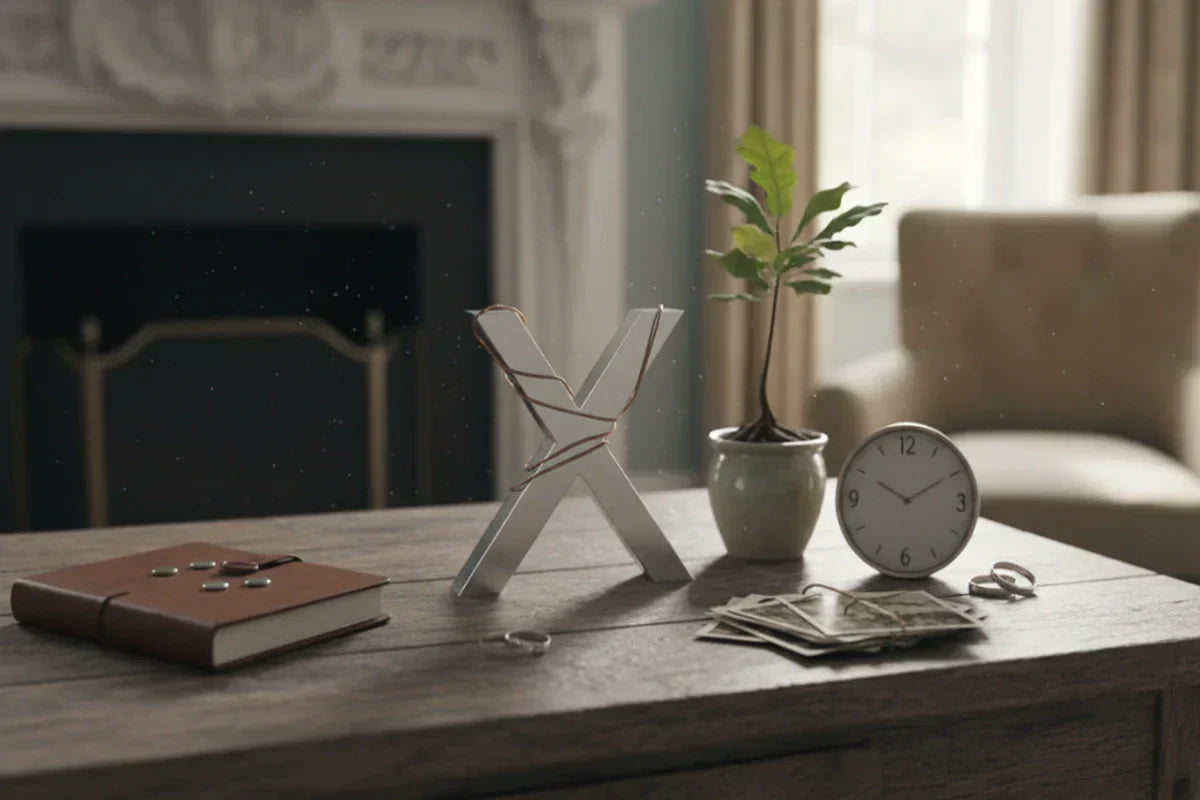
When researching a 10 year anniversary gift, you will immediately encounter the traditional themes of tin and aluminum. While these metals might seem humble compared to gold or silver, their symbolic meaning is profound for a ten-year-old marriage.
Tin and aluminum were chosen because they do not rust. They are flexible yet durable. A marriage that has lasted a decade has learned how to bend without breaking. Like these metals, your relationship is now resistant to the "corrosion" of daily stresses.
Why Tin and Aluminum Represent a Decade of Marriage
Tin and aluminum symbolize the ability to be molded. In the early years of marriage, couples often clash as they figure out how to merge two lives. By year ten, you have likely learned the art of compromise.
These metals are also used to preserve things, such as in cans or foil. This mirrors how a couple preserves their love and history through the passage of time. They are lightweight but strong—a perfect metaphor for a relationship that feels easy and natural but possesses a core of incredible strength.
Creative Traditional Tin and Aluminum Gift Ideas
If you want to stick to tradition, you don’t have to settle for something boring. There are many sophisticated ways to incorporate tin and aluminum into a high-end 10 year anniversary gift that looks beautiful in a modern home.
The key is to look for artisans who specialize in metalwork. Many creators now offer "cold-cast" aluminum or hand-hammered tin items that serve as stunning decor or functional keepsakes.
Personalized Metal Art and Sculptures
Consider a custom-engraved aluminum plaque that features the lyrics to your first dance song or the coordinates of where you got married. This takes a industrial material and turns it into a romantic focal point.
Hand-cast metal figurines representing your family are also popular. These "tin men" or aluminum silhouettes can be added to over the years as your family grows, making them a living history of your household.
High-Quality Aluminum Kitchenware and Home Decor
For the partner who loves to cook or entertain, high-end cast aluminum serveware is an excellent choice. This material is prized for its heat-chilling properties, making it perfect for salad bowls or beverage tubs.
You might also look for industrial-style aluminum clocks or picture frames. These items fit perfectly with the "modern-industrial" aesthetic popular in 2026, ensuring your traditional gift still feels stylish and contemporary.
Modern Jewelry and Gemstone Alternatives for 2026
While tin is the traditional route, many modern couples prefer to mark the decade with fine jewelry. The modern 10 year anniversary gift list designates diamonds as the primary theme, reflecting the indestructible nature of your love.
Diamonds are the hardest natural substance on earth. Giving a diamond at the ten-year mark signifies that your commitment is now "diamond-hard." It is a celebration of clarity, brilliance, and enduring value.
The Sparkle of Diamonds and Blue Sapphires
An "anniversary band" is a classic choice. This is typically a ring with a row of diamonds that can be stacked with an original wedding set. It serves as a beautiful "upgrade" to acknowledge the years passed.
Blue sapphires are also frequently associated with this milestone. They represent loyalty and trust. A sapphire pendant or a pair of earrings can add a splash of "anniversary blue" to a jewelry collection, offering a regal alternative to traditional clear stones.
Future-Forward Gifts: Tech and Innovation for the Modern Couple
As we move through 2026, the definition of a great gift is changing. Many couples now prioritize shared experiences or items that improve their home life through technology. A high-tech 10 year anniversary gift can bring fun and efficiency to your daily routine.
Modern technology allows couples to stay connected even when they are busy. From smart home ecosystems to interactive devices, these gifts are about making the next ten years more comfortable and entertaining.
Smart Home Upgrades for a Shared Life
Upgrading to a top-tier smart home hub or a high-fidelity multi-room audio system can transform your living space. Imagine a house where the lighting and music adjust automatically to your "date night" settings.
These gifts are practical yet luxurious. They symbolize the "smart" way you have learned to live together, optimizing your environment so you have more time to focus on each other rather than household chores.
Advanced Robotics and Next-Gen Interaction
One of the most exciting trends in 2026 is the rise of social robotics. For families or couples who love tech, an AI robot for companionship is a unique way to celebrate a decade of life together.
These robots are no longer just toys; they are interactive members of the household that can provide entertainment, take photos of your family, and even offer emotional engagement. They represent the cutting edge of what is possible in a modern home.
The Loona Robot is a fantastic example of this. Loona is an intelligent, pet-like robot that uses advanced AI to react to your presence. It’s a playful, high-tech way to add a bit of joy and innovation to your ten-year celebration.
Experience-Based Gifts to Celebrate Your Journey
Sometimes the best 10 year anniversary gift isn't an object at all, but a memory. After a decade of marriage, you may find that you value time spent together more than any physical item.
Experiences allow you to step out of your roles as "parents" or "professionals" and reconnect as a couple. Whether it is a trip or a new hobby, these gifts invest in the future health of your relationship.
Planning the "Second Honeymoon" Travel Destination
Ten years is the perfect time for a "second honeymoon." Many couples return to the place they first vacationed, or finally book that bucket-list trip to Europe, Japan, or a tropical island.
This trip serves as a celebration of your survival through the busy first decade. It provides the space to talk about your goals for the next ten years without the distractions of work or home life.
Local Workshops and Skill-Building for Couples
If a big trip isn't in the cards, consider a local experience. Booking a series of cooking classes, dance lessons, or even a pottery workshop (a nod to the 9th anniversary!) can be a wonderful way to bond.
Learning a new skill together keeps the relationship dynamic. It creates a "shared struggle" that ends in a shared reward, reinforcing the teamwork that has kept your marriage strong for ten years.
Personalized and Sentimental Keepsakes
For many, the most cherished 10 year anniversary gift is one that tells a story. Sentimental gifts focus on the "then vs. now" aspect of your relationship, highlighting how far you have come since your wedding day.
These gifts often become family heirlooms. They are the items your children will one day look at to understand the history of their parents' love. In 2026, digital and physical storytelling tools have made these gifts easier to create than ever.
Custom Photo Books and Digital Memory Frames
A ten-year photo book is a classic. Gather one photo from every month of the last ten years. Seeing the physical changes and the progression of your life in one volume is incredibly moving.
Alternatively, a high-definition digital memory frame can rotate through thousands of photos from your decade together. It’s a constant, changing reminder of the adventures, the mundane moments, and the milestones you’ve shared.
Commemorative Maps and "Where We Met" Illustrations
Custom maps remain a top choice for anniversaries. You can get a "star map" showing how the sky looked on your wedding night, or a "nested map" showing where you met, where you married, and where you live now.
These illustrations ground your relationship in geography and time. They celebrate the specific places that have shaped your story, making them deeply personal additions to your home decor.
How to Choose a Gift That Reflects His or Her Personality
The secret to a great 10 year anniversary gift is knowing which "language" your partner speaks. Does your spouse value tradition, or are they always looking for the newest gadget?
If your partner is a traditionalist, lean into the tin or aluminum theme with a high-quality, handcrafted item. They will appreciate the effort you took to honor the history of the anniversary.
For the practical spouse, look for "upgrades." Maybe it’s a high-end coffee maker they’ve wanted for years, or a piece of luggage for your upcoming travels. To them, a useful gift is a sign that you pay attention to their needs.
Finally, if your partner is the "sentimental" type, prioritize personalization. Anything that includes your wedding date, your children’s names, or a reference to an "inside joke" will be a winner. At the ten-year mark, the best gift is one that shows you still "get" them.
Conclusion
Choosing a 10 year anniversary gift is a beautiful opportunity to reflect on a decade of shared life. Whether you choose the traditional path of tin and aluminum, the sparkling modern route of diamonds, or a high-tech companion for your home, the goal remains the same: celebration.
A decade of marriage is proof of your adaptability and devotion. Whatever you choose, let it be a reflection of the strength and flexibility that has brought you this far. Happy 10th anniversary—here is to many more decades of love, laughter, and growth.
FAQ
What is the traditional gift for a 10 year anniversary?
The traditional 10 year anniversary gift is tin or aluminum. These materials represent the durability and flexibility required to sustain a marriage for a full decade. Unlike earlier themes like paper or wood, these metals do not rust or decay easily.
Historically, tin was used to plate other metals to protect them, symbolizing how a ten-year-old marriage protects the individuals within it. Today, couples often interpret this theme through jewelry made of pewter (which contains tin), aluminum home decor, or even creative "tin" packaging for other presents.
Is it okay to skip the traditional theme and buy something modern?
Absolutely. While traditions provide a fun framework, they are not rules. Many modern couples prefer the updated list, which suggests diamonds for the tenth anniversary. Others choose to ignore themes entirely in favor of experiences or tech.
The most important factor is what your partner values. If they find traditions romantic, sticking to the theme shows thoughtfulness. If they are more interested in utility or luxury, a modern gift like a diamond ring or a smart home device may be more appreciated.
How much should I reasonably spend on a 10th-anniversary present?
There is no set dollar amount for a 10 year anniversary gift. The "correct" amount depends entirely on your household budget and your personal values. Some couples save up for a year to buy a major diamond piece or a vacation.
Others find that a $50 personalized tin sign is more meaningful than a thousand-dollar watch. Because ten years often coincides with other financial responsibilities like mortgages or children, many couples choose to focus on the "sentiment per dollar" rather than the total cost. The key is to make the gift feel special and distinct from a standard birthday or holiday present.
Birthday Gift Ideas: 55 Thoughtful Picks for Everyone (2026 Guide)
February 09, 2026
Birthdays have a funny way of sneaking up. One minute you’re casually scrolling, the next you’re panic-ordering something that technically counts as a gift… but doesn’t quite say, “I know you.”
This guide is for the other kind of birthday present—the kind that feels considered, even if you bought it two days ago. You’ll find 55 thoughtful birthday gift ideas for 2026, with quick notes on who they’re best for and an easy way to make each one feel personal.
The 60-Second Gift Finder
Before you scroll the whole list, pick one of each:
A) Choose the recipient
Partner • Parents • Sibling • Best friend • Coworker • Teens • Kids/families • “Hard to buy for”
B) Choose their vibe
Cozy homebody • Foodie • Wellness-minded • Outdoorsy • Creative • Minimalist • Tech-curious • Sentimental
C) Choose the gift type
Practical upgrade • Personalized keepsake • Experience • Subscription • Small luxury • Playful & interactive
D) Choose a budget lane
Under $25 • $25–$50 • $50–$100 • $100+
How to Pick a Thoughtful Gift in 2026
If you want the gift to land, don’t start with “What do people buy?” Start with how they live.
The “3 Clues” method
Routines: morning coffee, commute, gym, cooking, bedtime, weekends
Repeat-buys: the same snack, the same brand, the same battered notebook
Casual mentions: “I’ve been wanting to try…” “I really need…” “I wish I had…”
The “Better version” rule
A thoughtful gift is often a quiet upgrade—the nicer version of something they already use.
The “No-dead-end” rule
Avoid gifts that require extra purchases, complicated setup, or guesswork (sizing, niche accessories) unless you’re sure.
The fastest way to personalize anything
Add one small, specific layer: a note, a pairing item, or a memory tie-in. Two minutes. Huge difference.
The 55 Thoughtful Picks (2026 List)
55 gift ideas organized into easy-to-browse sections so you can match the gift to the person (and the moment). Start with the category that fits their vibe—practical, personalized, cozy, foodie, wellness, experience-based, or playful tech—and you’ll find options that feel intentional without being overcomplicated. Each pick is designed to be simple to shop, easy to personalize, and actually enjoyable to receive.
Small Wins (Practical, Low-Risk) — Ideas 1–12
1. Elevated notebook + a first-page message
Best for: students, planners, list-makers, busy adultsWhy it’s thoughtful: It says “I believe in your next chapter.”Make it personal: Write a short note on page one: “For your ideas this year.”
2. Upgraded insulated tumbler
Best for: commuters, office folks, gym regularsWhy: Daily-use gifts become daily reminders.Personalize: Match it to their routine: iced coffee person? tea sipper? water-at-all-times?
3. Pocket multitool
Best for: the friend who always has tape, scissors, or a random fixWhy: Practical gifts feel like you’ve been paying attention.Personalize: Add a note: “For your ‘I’ve got it’ moments.”
4. Hotel-soft hand towel set
Best for: new apartment, “I love cozy” peopleWhy: A small luxury that upgrades home life.Personalize: Choose a color that matches their bathroom vibe.
5. Phone stand + cable organizer
Best for: desk workers, students, home office setupsWhy: It reduces friction—tiny improvement, big satisfaction.Personalize: Pair with a short “desk reset” checklist card.
6. Mini fragrance sampler set
Best for: anyone who likes “a vibe” but you don’t know their scentWhy: Low-risk, high fun.Personalize: Suggest how to test: one scent per day for a week.
7. Tea/coffee tasting flight
Best for: cozy people, foodies, gift exchange winsWhy: It’s an experience in small bites (or sips).Personalize: Include a tasting card: rate each one 1–10.
8. Refillable hand cream + “desk stash” pouch
Best for: office workers, dry-hand season sufferersWhy: Thoughtful = solves a recurring annoyance.Personalize: Add a second mini for their bag.
9. Cuisine-focused spice kit
Best for: home cooks, “I want to try new recipes” friendsWhy: Inspires without overwhelming.Personalize: Add one printed recipe that uses the spices.
10. Candle tied to a memory
Best for: sentimental, homebody, self-care friendsWhy: Scent is emotional.Personalize: Label it: “Smells like our beach weekend.”
11. Engraved coordinate keychain
Best for: partners, best friends, long-distanceWhy: It’s subtle but meaningful.Personalize: Use coordinates of a shared place (first date, hometown, favorite café).
12. Sleep kit (eye mask + pillow mist + earplugs)
Best for: tired adults (so… most adults)Why: It says “I want you to rest.”Personalize: Add a note: “Permission to do nothing tonight.”
Personalized (But Not Cheesy) — Ideas 13–22
Personalized gifts can be amazing—when they’re subtle and meaningful, not over-the-top. This section focuses on options that feel specific to the person while still being classy and wearable/displayable in real life. As you skim the picks below, look for a small detail (a place, a phrase, a memory) you can tie to them.
13. Custom art print (decor-friendly style)
Best for: new home, aesthetic peopleWhy: It feels curated, not generic.Personalize: Choose a style that fits their room.
14. Minimal initial jewelry
Best for: partners, siblings, close friendsWhy: Personal without shouting.Personalize: Use a tiny charm or subtle engraving.
15. Photo book with one theme
Best for: parents, best friends, couplesWhy: A theme makes it feel intentional.Personalize: Examples: “This Year,” “Sundays,” “Trips,” “Small Moments.”
16. Engraved recipe card/plate
Best for: family, food loversWhy: It preserves something precious.Personalize: Use a real family recipe—handwriting style if possible.
17. Monogrammed travel pouch + mini “packed for you” items
Best for: travelers, organized friendsWhy: The add-ons make it feel caring.Personalize: Add lip balm, mini sanitizer, or a snack they love.
18. Map print of a meaningful city
Best for: long-distance friends, nostalgia typesWhy: It turns a place into a keepsake.Personalize: Mark the exact neighborhood or street.
19. Embroidered cap with an inside-joke phrase
Best for: best friends, siblingsWhy: It’s funny and wearable.Personalize: Keep it subtle—one short phrase.
20. Personalized playlist + “liner notes”
Best for: partners, best friendsWhy: Effort beats expense.Personalize: Write one sentence per song: why you chose it.
21. Pet tag + matching charm for the owner
Best for: pet peopleWhy: It honors the relationship they already adore.Personalize: Include a cute photo of the pet with the gift.
22. “12 months of memories” jar (12 prompts)
Best for: partners, close friendsWhy: It keeps giving all year.Personalize: Mix prompts with specific plans: “Try that new ramen spot.”
Cozy + Homebody Favorites — Ideas 23–31
For the people who love staying in, comfort is never a boring gift—it’s a lifestyle. These ideas are all about making their home feel warmer, softer, calmer, and more “them.” Pick a vibe (sleep, lounging, reading, movie night) and you’ll find easy wins in the list below.
23. Weighted throw or cooling blanket
Best for: anyone serious about sleepWhy: Comfort is a love language.Personalize: Match it to their sleep style (warm vs cool).
24. Premium lounge set
Best for: cozy people, work-from-homeWhy: They’ll wear it constantly.Personalize: Choose a color they always wear.
25. Clip-on reading light + “reading night” snacks
Best for: book loversWhy: It turns a habit into a ritual.Personalize: Add a bookmark with a note.
26. Breakfast-in-bed tray + favorite treats
Best for: parents, partnersWhy: It invites slow mornings.Personalize: Include their “always” breakfast item.
27. Low-maintenance indoor herb kit
Best for: new cooks, apartment dwellersWhy: It’s alive, but not high drama.Personalize: Add a simple “herb cheat sheet.”
28. Supportive slippers
Best for: anyone who stands a lot or lives in slippersWhy: Upgrades their daily comfort.Personalize: Pair with cozy socks.
29. Wind-down bundle (tea + bath soak + routine card)
Best for: stressed friendsWhy: It’s an invitation to rest.Personalize: Write a 3-step “wind-down” routine tailored to them.
30. Frame-worthy art from an artist they’d actually like
Best for: design-minded friendsWhy: It shows you know their taste.Personalize: Choose something that matches their space.
31. Mini projector + popcorn seasoning trio
Best for: couples, roommates, movie-night peopleWhy: Shared memories > stuff.Personalize: Include a “first movie pick” suggestion.
Foodie Gifts That Don’t Feel Generic — Ideas 32–40
Food gifts only feel “generic” when they’re random. The ideas in this section are chosen to feel curated—either by matching someone’s taste (sweet, spicy, coffee-obsessed) or by turning the gift into a mini experience. Scan the picks below and choose one that fits how they like to eat, cook, or treat themselves.
32. Restaurant gift card… upgraded with a plan
Best for: everyone (yes, everyone)Why: The plan is what makes it thoughtful.Personalize: Book a reservation or write “order these two dishes.”
33. DIY dumpling/pasta/sushi kit
Best for: hands-on foodiesWhy: It’s a fun night, not just ingredients.Personalize: Pair with a playlist for cooking together.
34. Knife sharpening service
Best for: home cooksWhy: It’s oddly life-changing.Personalize: Add a note: “Cooking should feel easier.”
35. Local honey + cheese pairing
Best for: hosts, snack loversWhy: It feels curated.Personalize: Add a pairing guide: mild → bold.
36. Hot sauce flight (matched to their heat level)
Best for: spice loversWhy: It’s playful and personal.Personalize: Include a “top 3 ranking” card.
37. Olive oil + balsamic set with tasting notes
Best for: “I love good ingredients” peopleWhy: Upgrades everyday meals.Personalize: Add a bread or pasta pairing suggestion.
38. Dessert subscription
Best for: sweet tooth friends, long-distanceWhy: It keeps the birthday going.Personalize: Time the first delivery close to their birthday week.
39. Coffee grinder upgrade
Best for: home baristasWhy: A real upgrade to a daily ritual.Personalize: Add beans from their favorite roast style.
40. Cookbook + bookmarked “you would love this” recipes
Best for: anyone who likes to cook (even casually)Why: Bookmarks prove you thought about them.Personalize: Mark 3 recipes with sticky notes.
Wellness + Reset Gifts — Ideas 41–47
41. Massage/stretch session voucher
Best for: sore, busy humansWhy: It’s care in calendar form.Personalize: Offer to handle scheduling with them.
42. Guided journal aligned to one goal
Best for: reflective peopleWhy: It supports growth without being preachy.Personalize: Write one encouragement on the inside cover.
43. Compact at-home spa kit
Best for: self-care friendsWhy: Simple beats complicated.Personalize: Include a “spa night” date suggestion.
44. Class pack: yoga/dance/climbing
Best for: active friendsWhy: It’s a memory maker.Personalize: Pick a class that fits their vibe (fun vs intense).
45. Simple hydration helper
Best for: “I forget to drink water” peopleWhy: A helpful nudge, not a guilt trip.Personalize: Add electrolyte packets in a flavor they like.
46. Daily sunscreen set + travel minis
Best for: outdoors people, skincare minimalistsWhy: Useful and protective.Personalize: Add a note: “Future you will thank you.”
47. Sound machine or relaxing bedside light
Best for: light sleepers, anxious mindsWhy: Better evenings make better days.Personalize: Include a short “sleep playlist” QR code.
Experiences + Memory Makers — Ideas 48–54
If you’re shopping for someone who “has everything,” give them something to look forward to. These experience-style gifts create stories, traditions, and shared moments—often with less clutter and more meaning than another physical item. Pick one of the ideas below and make it even better with a small plan or personal touch.
48. “Choose your adventure” envelope (3 options)
Best for: partners, best friendsWhy: They get agency and a plan.Personalize: Make one option nostalgic, one cozy, one new.
49. Planned day trip (itinerary + one reservation handled)
Best for: anyone who loves being taken care ofWhy: Planning is the gift.Personalize: Build it around one of their interests.
50. Museum or membership pass + planned first visit
Best for: culture lovers, familiesWhy: It creates future days out.Personalize: Choose one exhibit to see first.
51. Hands-on workshop (pottery/cooking/florals/photo)
Best for: creative friendsWhy: They leave with a memory (and sometimes a thing they made).Personalize: Go together if you can.
52. Concert tickets + a pre-show snack tradition
Best for: music loversWhy: The tradition makes it feel special.Personalize: “We always get dumplings before shows now.”
53. Outdoor experience (guided hike/paddle/stargazing)
Best for: outdoorsy typesWhy: It’s story material.Personalize: Pack one surprise snack they love.
54. Volunteer-together plan for a cause they care about
Best for: purpose-driven friendsWhy: It’s meaningful and shared.Personalize: End with a coffee/meal afterward.
Playful & Interactive Tech Gift (Family-Friendly) — Idea 55
This last pick is for birthdays that call for something a little different—more interactive than a typical gadget and more memorable than a standard toy. If you’re gifting to a family, a pet lover, or someone who enjoys playful tech at home, the idea below is designed to spark daily moments of fun.
55. Loona Robot (Interactive Pet Robot Companion)
Best for: families with kids, pet lovers who can’t own pets, tech-curious householdsWhy it’s thoughtful: Loona robot is less “thing on a shelf” and more “something you do together”—interactive play, games, and companion-style engagement at home.Make it personal: Add a “first-week fun plan” card (a quick daily activity + a photo/video prompt).Placement tip: This fits best in $100+ gifts, gifts for kids/families, or tech gifts
Quick Picks by Recipient (Fast Skim)
Not sure where to start? Pick the category that matches who you’re shopping for, and you’ll see the best gift ideas from the list—chosen to feel thoughtful, easy to give, and genuinely useful. Whether it’s your partner, parents, best friend, coworker, teens, kids, or someone who seems to “have everything,” these quick picks help you jump straight to the options that fit.
For your partner
14, 15, 20, 22, 48, 49, 52, 55
For parents
15, 16, 23, 26, 41, 50
For your best friend
19, 20, 22, 31, 48, 51
For a coworker (safe but still thoughtful)
1, 2, 5, 7, 8, 10, 32
For teens
6, 19, 20, 31, 44, 52
For kids/families
27, 31, 50, 55
For the “hard to buy for” person
2, 23, 32, 34, 48, 49, 55
Budget Roundups
If you’re shopping with a specific price range in mind, start here. These budget roundups group the best ideas by cost so you can quickly find gifts that feel thoughtful at every level—whether you want a small, meaningful gesture or you’re going all-in for a big birthday moment. Choose the range that fits your budget, then browse the picks under each section for fast, no-stress inspiration.
Under $25 (thoughtful, not cheap-feeling)
1, 5, 7, 8, 9, 10, 12
$25–$50 (the sweet spot)
2, 6, 19, 25, 29, 36
$50–$100 (real upgrades)
23, 24, 28, 31, 39, 47
$100+ (big moments)
41, 49, 50, 51, 52, 55
Conclusion
At the end of the day, the best birthday gift isn’t the most expensive—it’s the one that feels the most them. You don’t have to be a “gift expert” to get it right. Start with one small clue: what they do every day, what they’ve been talking about lately, what keeps breaking or annoying them, or what they’ve said they want to try. Then add one personal layer—a short note, a tiny pairing item, or a simple plan—and the gift instantly feels intentional.
I hope this 2026 birthday gift ideas guide (55 thoughtful picks) made choosing easier, whether you’re shopping for a partner, parents, friends, coworkers, or that “hard-to-buy-for” person. If you’re still torn, go with a gift that either improves their everyday life or creates a shared memory. Practical gifts get used; experience-style gifts get remembered.

50 Best Gift Ideas for Women in 2026: Thoughtful Picks for Every Budget
February 10, 2026
Buying a gift for a woman you care about should feel like getting her, not guessing. In 2026, the best gifts tend to fall into three lanes: upgraded essentials, mini luxuries that improve daily life, and experiences (or “experience energy”) that create a real moment.
Below are 50 ideas across every budget, organized so you can skim fast—and still land on something that feels personal.
Quick Gift Finder
Pick a lane:
Budget: Under $25 | $25–$50 | $50–$100 | $100–$250 | $250+
Vibe: Cozy | Glam | Practical | Artsy | Wellness | Techy | Sentimental
Recipient: Partner | Mom | Sister | Best friend | Coworker | “Has everything”
Urgency: Ships fast | Last-minute digital | “Order now, arrives later”
Under $25: Small, Smart, Never-Boring (10)
When you want something meaningful without going big, these are the “small but thoughtful” picks that feel personal, practical, and easy to love.
1. Personalized key tag (initials or a short message)
Best for: coworker, friend, sister
Why she’ll love it: daily-use sentimental without being “too much”
Upgrade: leather version
Pair-with: her favorite candy or tea sachets
2. Silk/satin scrunchie set
Best for: anyone who ties their hair up a lot
Why: gentler on hair; looks polished
Upgrade: matching sleep mask
Pair-with: mini claw clip
3. Mini hand cream trio (desk + bag + bedside)
Best for: office workers, travelers
Why: practical, feels like care
Upgrade: full-size of her favorite scent
Pair-with: cuticle oil pen
4. “Recipe-ready” spice blend sampler
Best for: home cooks, new apartment owners
Why: instantly makes meals better
Upgrade: add a small olive oil bottle
Pair-with: recipe card you handwrite
5. Magnetic bookmark set (pretty + functional)
Best for: readers, students
Why: tiny upgrade she’ll use constantly
Upgrade: matching notebook
Pair-with: a novel in her favorite genre
6. Premium-feel phone strap or grip
Best for: commuters, content scrollers
Why: prevents drops; adds style
Upgrade: matching case
Pair-with: screen wipes in a cute pouch
7. Jewelry dish for the nightstand
Best for: minimalists, jewelry wearers
Why: solves the “where did my ring go?” problem
Upgrade: trinket box with compartments
Pair-with: a handwritten note: “For your everyday sparkle.”
8. Self-heating eye mask pack
Best for: stressed friends, new moms
Why: instant calm; feels spa-like
Upgrade: add a lavender pillow spray
Pair-with: chamomile tea
9. Travel-size fragrance discovery mini
Best for: “I’m picky about perfume” people
Why: low-risk, high fun
Upgrade: full-size once she chooses
Pair-with: a compact atomizer
10. “Coffee shop at home” syrup or instant latte sampler
Best for: coffee lovers, WFH
Why: turns mornings into a treat
Upgrade: frother wand
Pair-with: a cute mug she’d actually use
$25–$50: Elevated Everyday Wins (10)
This is the sweet spot for gifts that feel a little more polished—upgraded versions of things she already uses, with just enough “treat” energy to make them special.
11. Personalized tote (work/gym/errands)
Best for: busy schedules
Why: useful + personal
Upgrade: sturdier canvas or zip-top
Pair-with: key clip or mini pouch
12. High-quality insulated tumbler
Best for: commuters, hydration heroes
Why: practical gift that still feels nice
Upgrade: matching bottle + cleaning brush
Pair-with: fancy electrolyte packets
13. LED travel/vanity mirror
Best for: travelers, makeup minimalists
Why: better lighting = less frustration
Upgrade: larger vanity version
Pair-with: satin hair wrap
14. Tea/coffee subscription starter box
Best for: “hard to shop for”
Why: keeps giving without being intense
Upgrade: 3-month subscription
Pair-with: a spoon or mug warmer
15. Clean-burn candle (the “safe scent” category)
Best for: homebodies
Why: ambiance on demand
Upgrade: candle + matching room spray duo
Pair-with: wick trimmer
16. Guided journal (goals, gratitude, or creative prompts)
Best for: reflective types
Why: thoughtful without guessing size/style
Upgrade: leather cover
Pair-with: a pen that feels expensive
17. Shower steamers (spa at home)
Best for: busy weeks
Why: quick stress reset
Upgrade: plush towel set
Pair-with: eucalyptus bunch (if she’s into it)
18. Pillow cover refresh set
Best for: new apartment, new season
Why: instant room glow-up
Upgrade: textured throw blanket
Pair-with: small vase
19. Minimalist wallet/card holder
Best for: “small bag” people
Why: sleek, actually used
Upgrade: RFID + zip coin section
Pair-with: cute keychain
20. Beginner hobby kit (air-dry clay, watercolor, embroidery)
Best for: creative-curious
Why: fun without commitment
Upgrade: a higher-quality tool set
Pair-with: a playlist you make for crafting
$50–$100: Feels Like a Treat (10)
If you want her to open the box and immediately think, “Oh wow—this is nice,” this tier delivers that elevated, pampering feel without heading into full splurge territory.
21) Silk pillowcase
Best for: beauty sleep fans
Why: comfort + hair/skin friendly feel
Upgrade: full silk set
Pair-with: satin sleep mask
22) Belt bag or crossbody (hands-free)
Best for: errands, concerts, travel
Why: daily convenience + style
Upgrade: premium leather version
Pair-with: mini hand sanitizer & lip balm
23) One “hero” skincare product
Best for: skincare lovers (or beginners)
Why: one excellent item beats a random bundle
Upgrade: add a matching moisturizer
Pair-with: plush headband
24) “Perfect morning” breakfast kit (jam + granola + honey)
Best for: hosts, foodies
Why: cozy luxury
Upgrade: add a French press
Pair-with: handwritten “Sunday morning” note
25) Compact Bluetooth speaker
Best for: kitchen dancers, shower singers
Why: fun, easy, low-clutter
Upgrade: more powerful model
Pair-with: a shared playlist link
26) Mug warmer or warming coaster
Best for: WFH desk setups
Why: the “my coffee always gets cold” fix
Upgrade: temperature-controlled mug
Pair-with: coffee sampler
27) Luxury robe or loungewear piece
Best for: anyone who likes comfort
Why: feels indulgent immediately
Upgrade: matching set
Pair-with: fuzzy socks
28) Timeless everyday hoops/studs
Best for: classic style
Why: high wear-rate gift
Upgrade: better metal / gemstones
Pair-with: jewelry cleaner cloth
29) Curated book + annotation bundle
Best for: readers, students
Why: makes reading feel like a ritual
Upgrade: hardcover + matching tote
Pair-with: tea or chocolate
30) Low-maintenance plant + modern planter
Best for: home refresh
Why: instant “alive” energy
Upgrade: bigger statement plant
Pair-with: cute mister bottle
$100–$250: Big Smile, Not Over-the-Top (10)
These are the gifts that make a real impression—perfect for birthdays, anniversaries, and “you’ve been doing a lot lately” moments—without crossing into luxury-for-luxury’s-sake.
31. Giftable-size signature fragrance
Best for: glam, romantic, or “I love scent”
Why: feels personal and luxe
Upgrade: full-size bottle
Pair-with: travel atomizer
32. Noise-reducing earbuds/headphones
Best for: commuters, focus workers
Why: daily peace
Upgrade: higher ANC tier
Pair-with: a month of music subscription
33. Designer-adjacent sunglasses
Best for: style-first
Why: practical + statement
Upgrade: upgraded case
Pair-with: microfiber cloth
34. Compact massage gun
Best for: gym-goers, desk-sitters
Why: recovery that feels like self-care
Upgrade: pro model
Pair-with: bath salts
35. Weekender bag or packing organizer set
Best for: travelers, overnight stays
Why: makes trips smoother
Upgrade: carry-on suitcase
Pair-with: luggage tag with initials
36. Premium hair tool (curler/straightener)
Best for: beauty routine people
Why: time-saver + confidence boost
Upgrade: add heat-protectant set
Pair-with: silk scrunchies
37. Experience voucher (spa, cooking class, pottery class)
Best for: “I don’t need more stuff” women
Why: memories beat clutter
Upgrade: make it a duo date (you + her)
Pair-with: a printed “reservation card” you design
38. Smart ambience upgrade (lamp, diffuser, speaker)
Best for: home setup lovers
Why: daily mood upgrade
Upgrade: whole-room kit
Pair-with: cozy throw
39. Luxury candle + room spray duo
Best for: homebodies, hosts
Why: instant “nice hotel” feeling
Upgrade: add linen spray
Pair-with: matches in a cute jar
40. Pendant necklace (minimal, personal)
Best for: sentimental but subtle
Why: wearable meaning
Upgrade: engraving
Pair-with: card that explains the meaning
$250+: Splurges She’ll Actually Use (10)
For milestone moments, these higher-end gifts earn their keep with daily usefulness, long-term value, and serious wow factor.
41. High-end skincare device
Best for: skincare fans
Why: routine upgrade with “wow” factor
Upgrade: add pro-grade products
Pair-with: headband + towel set
42. Smartwatch/fitness tracker
Best for: wellness goals, busy schedules
Why: daily utility
Upgrade: premium band
Pair-with: a “walk date” invitation
43. Premium handbag (timeless silhouette)
Best for: classic wardrobes
Why: daily use + durability
Upgrade: personalization / monogram
Pair-with: organizer insert
44. Statement coat or cashmere-blend wrap
Best for: cold-weather style
Why: looks expensive and feels better every wear
Upgrade: 100% cashmere
Pair-with: leather gloves
45. At-home espresso machine
Best for: serious coffee people
Why: turns mornings into a ritual
Upgrade: grinder
Pair-with: beans from a local roaster
46. Hotel-style bedding upgrade set
Best for: “I love sleep” women
Why: nightly luxury
Upgrade: full bedding bundle
Pair-with: lavender sachet
47. Annual membership (museum, audiobooks, fitness)
Best for: experience lovers
Why: long-lasting value
Upgrade: family/plus tier
Pair-with: a calendar invite for your first visit
48. Trip fund envelope + itinerary “starter plan”
Best for: dreamers, planners
Why: feels romantic and real
Upgrade: book the first night
Pair-with: mini travel journal
49. Fine jewelry (bracelet or minimalist ring)
Best for: milestone gifting
Why: keepsake energy
Upgrade: better stones/metal
Pair-with: a photo from a shared memory
50. Loona Robot (AI companion “petbot”)
This is the unexpected, conversation-starting gift—especially for a woman who loves playful tech, wants “pet energy” without pet mess, or enjoys having a charming desk/home companion. Loona robot is presented as an interactive pet-style robot with games, expressive behavior, voice interaction, and family-focused features like recognition.
Best for: tech lover, “has everything,” pet person, cozy-home vibe
Upgrade: bundle options (when available)
Pair-with: a “cozy night in” kit (tea + blanket) to frame it as a lifestyle gift, not just a gadget
Best Picks by Budget (if you want the fast answer)
These are the best “no-regret” picks at each price point.
Under $25: self-heating eye masks, jewelry dish, spice sampler
$25–$50: personalized tote, shower steamers, journal + nice pen
$50–$100: silk pillowcase, belt bag, mug warmer
$100–$250: noise-reducing earbuds, weekender bag, experience voucher
$250+: espresso machine, bedding upgrade, Loona petbot companion
Gift Pairing Cheats (how to make anything feel custom)
A simple add-on can turn a nice gift into a thoughtful one—use these easy pairings to make your present feel tailored to her.
Experience + tangible: pottery class + beginner clay kit
Sentimental + practical: pendant necklace + sleek card holder
Wellness + comfort: eye masks + robe
Tech + cozy: smart device/petbot + blanket + tea
Choose the right gift in 60 seconds
Not sure what she’ll actually want? Run through these quick questions and you’ll narrow it down to a gift that fits her real life in under a minute.
Ask yourself:
What does she do most days? (work, gym, travel, home)
What’s her most common complaint? (stress, sleep, time, clutter)
What’s her “treat”? (coffee, skincare, books, fitness)
When you’re unsure, upgrade an essential. It’s the safest way to look thoughtful.
Conclusion
Gifting in 2026 is all about thoughtful practicality: something that improves her everyday life, delivered with a little ritual and care. Start with your budget, shortlist a few ideas that match her vibe (cozy, glam, wellness, techy), and choose the one that fits her daily routine best. Then seal it with a simple note explaining why you picked it—because that’s often what she remembers most. If this list helped, bookmark it now and share it with someone who always ends up texting, “What should I get her?”

Best Valentine Gift for Husband: 27 Romantic and Practical Picks for Every Budget
February 05, 2026
Valentine’s Day shopping for a husband is its own sport. He’ll say he “doesn’t need anything,” and he probably means it—until you hand him something that feels like you actually noticed him this year. That’s the sweet spot: gifts that are romantic and genuinely useful.
Below are 27 Valentine gifts for husbands, organized by budget and “husband type,” so you can skip the endless scrolling and land on something that fits.
Find His Type (30-second gift shortcut)
Buying a gift gets so much easier once you stop guessing and start matching it to his personality. Pick the closest “type” below—then you’ll know exactly which gift ideas will land best in the next sections.
Pick 1–2 that sound most like him, then jump to the budget tier that matches.
The Sentimental Softie – loves meaning, memories, inside jokes
The Practical Problem-Solver – appreciates upgrades, convenience, quality
The Style-Upgrader – cares about fit, finishing touches, daily essentials
The Food + Drink Guy – happiest with flavors, rituals, tastings
The Hobby/Adventure Addict – always building, hiking, training, tinkering
The Tech & Gadgets Enthusiast – loves smart devices, new toys, demos
Budget Roadmap (so the gift “feels right”)
Before we jump into the 27 picks, here’s a quick way to set expectations by price. Each budget tier below has a slightly different “best strategy,” so you can shop smart without overspending—or undershooting the moment.
Under $25: small, sweet, thoughtful—daily reminders
$25–$50: practical upgrades with a romantic twist
$50–$100: best-value gifts with real staying power
$100–$250: statement gifts that still get used
$250+: premium wow-factor, memory-makers, big upgrades
The 27 Picks: Romantic and Practical Gifts by Budget
No matter your budget, the best gifts feel personal and usable. Start with the price range that fits you, then choose the pick that matches his personality.
Under $25: Small Gifts, Big Meaning (5 picks)
These are the gifts that prove you put thought into it, even if you didn’t spend much. The key here is choosing something he’ll actually touch or see often—so the romance shows up in everyday life.
1. A “52 Reasons I Love You” notes deck
Best for: Sentimental SoftieWrite one tiny reason per card (funny counts). He can keep them in a drawer, his bag, or his car—like pocket-sized reassurance.
Make it romantic in 30 seconds: Hide 3 cards in unexpected places (wallet, pillow, coffee station).
2. Coordinates or initials keychain
Best for: Sentimental + PracticalEngrave your wedding date, the coordinates of your first date, or just your initials. It’s subtle, not cheesy, and he’ll use it every day.
3. Winter rescue duo: quality lip balm + hand cream
Best for: Practical Problem-SolverIf you live anywhere cold, this is quietly elite. Dry hands are annoying; solving them is love in a very unglamorous package.
Pro move: Add a note: “For the hands I’m obsessed with.”
4. A spicy date-night conversation card game
Best for: Anyone who likes connection (and laughing)Choose one that’s more “questions and stories” than “dare roulette.” It’s a real date—no reservations required.
5. Specialty coffee beans + a handwritten tasting note
Best for: Food + Drink GuyFind a roast that matches his vibe (bright/fruity, chocolatey, bold) and write a mini tasting card like a coffee shop would.
Romantic twist: Name it something ridiculous like “Husband Fuel” or “Sunday Morning Us.”
$25–$50: Everyday Upgrades With a Romantic Twist (6 picks)
This is where practical starts to feel a little “elevated.” The gifts below are easy to use, easy to love, and still leave room for a personal touch that makes Valentine’s Day feel intentional.
6. Monogrammed leather catchall tray
Best for: Practical + Style-UpgraderIt instantly makes his nightstand look intentional. Wallet, keys, watch—everything lands in one place.
7. Warm or weighted eye mask
Best for: The stressed, the tired, the “I’m fine” guySleep is a love language. A good eye mask makes bedtime feel like a small luxury instead of a collapse.
8. A subtle matching couple item (no cringe)
Best for: Sentimental SoftieThink neutral socks, minimal tees, or matching beanies—something you’d both wear without it screaming “COUPLE.”
9. A “favorite-things” snack box you curate
Best for: Food + Drink GuySkip the generic variety pack. Build a small box around his tastes: one salty, one sweet, one spicy, one nostalgic.
Extra credit: Include one snack from a trip you took together.
10. Engraved whiskey tumbler or beer glass
Best for: Food + Drink GuyKeep the engraving simple: initials, a date, or a one-line inside joke.
11. At-home date kit (the “we’re staying in, but it’s still a date” bundle)
Best for: Busy couplesPick a theme: pasta night, steak night, sushi night. Add one candle, a playlist QR code, and one “no phones” agreement.
$50–$100: The Best-Value Zone (6 picks)
If you want the sweet spot between “romantic” and “worth it,” this range tends to deliver. These picks feel like real upgrades—things he’d keep using long after February 14th.
12. Quality wallet or slim card holder (with a hidden message)
Best for: PracticalA well-made wallet is something he’ll use constantly but rarely replaces.
Make it romantic: Slip a tiny note inside: “If found, return to the love of your life.”
13. Grooming upgrade he’ll actually use
Best for: Practical + Style-UpgraderChoose based on his routine: beard trim, clean shave, skincare basics—simple and usable beats complicated and dusty.
14. Cologne sampler set (let him choose the final scent)
Best for: Style-UpgraderThis avoids the #1 fragrance mistake: buying a full bottle he doesn’t vibe with. A sampler feels fun, like testing “versions” of him.
Romantic angle: Pick your top two together and name them (e.g., “Date Night Him,” “Workday Him”).
15. Shoe-care kit (the glow-up he didn’t know he needed)
Best for: Style-UpgraderA good cleaner + brush + protectant turns “fine” sneakers into “new again.” It’s oddly satisfying.
16. Premium travel tumbler or temperature-smart mug
Best for: Practical Problem-SolverIf he’s a coffee person, this hits daily. Look for easy-clean features and leak resistance.
17. Breakfast upgrade (pour-over set or waffle maker)
Best for: Food + Drink Guy (and anyone who loves weekend rituals)This isn’t about the appliance—it’s about the mornings you’ll make with it.
Romantic delivery: Include a coupon: “Redeem for breakfast in bed (one time, no questions).”
$100–$250: Practical Statement Gifts (6 picks)
Now we’re in “wow, you really thought about this” territory—without drifting into impractical splurges. The gifts below are bigger, higher quality, and designed to make his day-to-day noticeably better.
18. A quality hoodie or knit sweater in his “safe color”
Best for: EveryoneThis is the classic “he’ll wear it constantly” gift. Stick to his usual palette and prioritize comfort.
19. Leather belt or accessory upgrade
Best for: Style-UpgraderA great belt is underrated. It quietly makes everything look more put together without him trying.
20. Noise-reducing earbuds
Best for: Commute, gym, focus timeThey’re practical, they feel premium, and they improve his everyday life in a noticeable way.
21. Couples cooking class (in-person or online)
Best for: Food + Drink Guy + Sentimental SoftieYou’re gifting time together—not clutter. Plus you get a new “our dish.”
Tip: Pick a cuisine you both love or one he’s always wanted to try.
22. Massage gun / recovery tool
Best for: Hobby/Adventure AddictIf he trains, hikes, lifts, or lives with a stiff back, this becomes a household favorite fast.
23. Custom star map or framed photo with a short story caption
Best for: Sentimental SoftieChoose a single moment (wedding day, first home, first trip) and write a caption like a movie tagline: short, specific, and personal.
$250+: Big Wow, Still Useful (4 picks)
For big budgets, the goal is simple: choose something memorable, not just expensive. These picks lean into experiences, premium essentials, and one standout tech option that can turn Valentine’s Day into a true moment.
24. A one-night “micro-getaway” you plan
Best for: Busy couples, parents, anyone exhaustedBook the lodging. Plan one reservation. Pack the romance into 24 hours. This feels huge without needing a full vacation.
Make it romantic: Create a simple itinerary card: “Check-in. Dinner. Walk. No alarms.”
25. Premium work backpack or leather work bag
Best for: Practical + Style-UpgraderA bag he uses daily is the definition of “practical gift that still feels special.” Aim for comfortable straps, smart organization, and durable materials.
26. Bucket-list experience (tickets, adventure day, driving experience, outdoors)
Best for: Hobby/Adventure AddictExperiences don’t collect dust—and they give you stories. Pick something that matches his personality (sports tickets, a guided hike, a workshop, a day trip).
Key move: Don’t hand him “a vague idea.” Hand him a date and a plan.
27. Loona Petbot (premium tech companion gift)
Best for: The Tech & Gadgets EnthusiastIf your husband lights up around smart devices and playful gadgets, a companion-style home robot can be a seriously memorable “wow” gift—part entertainment, part conversation starter.
Make it romantic: Turn the unboxing into a “tech date night” (snacks, photos, and a no-rush setup together).Who it’s especially good for: Husbands who love demos, tinkering, and trying something new at home.
Loona’s limited-time deal is here Feb 5–14: $50 off plus a FREE Limited Collar.
Conclusion
At the end of the day, the best Valentine’s gift for your husband isn’t about chasing the “perfect” item—it’s about choosing something that feels personal. Whether you’re working with a small budget or planning a big wow surprise, the most memorable gifts tend to do two things well: they make his everyday life easier and they remind him he’s loved.
Use this list as your shortcut—pick his “type,” choose a price range, then add one small detail that’s uniquely yours (a note, a shared memory, a planned moment). That’s the difference between a gift that gets used… and a gift that gets remembered.
FAQs
What’s the most romantic Valentine’s gift for a husband?The one that proves you noticed him: a memory-based gift, a personalized upgrade, or time together with a plan.
What if my husband doesn’t like gifts?Gift him relief (sleep tools, comfort upgrades) or time (a planned date/getaway). Keep it simple, useful, and low-pressure.
What’s a practical gift that still feels romantic?A daily-use item (wallet, bag, tumbler) plus a personal note and a thoughtful presentation moment.
What if I need a last-minute Valentine gift?Go with a sampler set, an at-home date kit, a curated snack box, or an experience voucher with a booked date.
Top 15 Best Valentine Gifts for Girlfriend (Ranked: Romantic to Practical)
February 02, 2026
Valentine’s Day gifts get tricky fast—because you’re not just buying something cute. You’re trying to land that perfect mix of romantic and thoughtful, without accidentally choosing a gift that feels generic, impractical, or like a last-minute panic purchase.
That’s exactly why this guide is ranked from romantic to practical. The first picks are designed to create that “wow, you really know me” feeling. As you move down the list, the gifts become more everyday-useful—still sweet, but built to make her life easier, cozier, or more fun long after February 14.
How We Ranked These Valentine Gifts (Romantic → Practical)
To keep this list genuinely helpful (and not just “15 random ideas”), we scored every gift in three simple ways. Think of the next three sections as a quick filter: first, how emotionally meaningful it feels; second, how often she’ll actually use it; and third, whether it matches her lifestyle and taste. That way, you can choose with confidence—no matter your budget or relationship stage.
Romance Score (How meaningful it feels)
Personalization, emotional weight, memory-making potential
Does it feel like her, not “a girlfriend gift”?
Practical Score (How often she’ll use it)
Can she use it beyond February 14?
Does it solve a daily-life problem (or add daily joy)?
Fit Score (How well it matches her style)
Her routines: commuting, WFH, gym, social weekends
Her taste: cozy, glam, minimalist, playful, techy
Top 15 Valentine Gifts for Girlfriend (Ranked List)
Now to the fun part. We’re starting with the most romantic, heart-forward gifts—think keepsakes, letters, and experiences that create big feelings. As you move down the list, the picks gradually shift toward practical upgrades she’ll use all the time (without losing the Valentine’s Day magic). If you already know what she loves, jump to the section that matches her vibe; if you’re unsure, start at the top and let the ranking guide you.
1. “Our Story” Custom Keepsake (Most Romantic)
This is the “I remember the details” gift. It’s not about the object—it’s about the proof.
Make it specific: coordinates of your first date spot, a tiny timeline, a short phrase only you two use
Why it works: it doesn’t expire; it becomes part of your shared lore
Best for: long-term relationships or “we’ve been through a lot together” couples
2. Handwritten Love Letter + “Open When” Notes
A letter is old-school in the best way: low cost, high signal.
Open-when prompts: “Open when you’re stressed,” “Open when you miss me,” “Open when you need hype”
Make it feel premium: good paper + envelope + one tiny meaningful add-on (a photo, pressed flower, movie stub)
Don’t do generic: one real memory per note beats ten quotes from the internet
3. Surprise Date Plan (Packaged Like a Gift)
If you want “romantic” without guessing her size or scent preferences, plan a moment.
Include an itinerary card: dinner + activity + a sweet closer (dessert, sunset walk, photo booth)
Remove decision fatigue: book the thing, plan the timing, handle the logistics
Backup plan: weather-proof option so it never becomes “we’ll do it later”
4. Jewelry With Meaning (Not Just Sparkle)
Jewelry gets a bad rap when it feels random. Give it a story and it becomes a keepsake.
Symbol-first choices: birthstone, constellation, initial, charm that references an inside joke
Add a “why this” card: two sentences explaining what it represents
Style match rule: buy what she already wears—just slightly nicer
5. Flowers With a Twist (That Last Longer)
Flowers are classic. The twist is making them feel curated, not default.
Upgrade ideas: preserved roses, wildflower style, her favorite color palette
Make it last: include a vase or a simple care note
Personal detail: one flower choice tied to a memory (“the café that had these…”)
6. “Cozy Night-In” Gift Kit
This is romance for real life—especially if you’re both tired.
Build it like a set: candle + snacks + mask + cozy socks + throw blanket
Add a couple touch: a “pick a movie” card or “no phone for 45 minutes” challenge
Best for: busy schedules, introverts, winter vibes
7. Perfume Done the Safe Way (Discovery Set)
Full bottles are risky. A discovery set is romantic and smart.
Why it works: she gets the fun of trying, you avoid the “wrong scent” regret
Make it intimate: choose one you love on her for date nights, let her pick the daily one
Bonus: write the vibe you associate with her (warm, bright, mysterious—keep it you)
8. Photo Gift That Doesn’t Feel Cheesy
The secret is captions. The photos are just the anchor.
Best formats: mini photo book, framed print, retro strips
What makes it premium: short captions that tell micro-stories (“the day you laughed so hard…”)
Best for: long-distance, travel couples, or anyone who hoards memories
9. “Soundtrack of Us” Playlist + Small Upgrade
This is a sleeper hit because it feels personal and replayable.
Make it real: 10–15 songs + one line each explaining the pick
Add-on that increases use: phone stand or compact speaker
Extra-cute: include a “play this when…” mini list (commute, cooking, missing you)
10. Luxe Sleep Upgrade (Pajamas or Comfort Item)
Quiet romance is still romance.
What to buy: soft pajamas, robe, quality pillowcase, cozy lounge set
Why it works: it says “I want you comfortable” without being corny
Low-stress move: include exchange-friendly sizing or a gift receipt
11. Skincare/Bodycare Set That Matches Her Routine
This becomes a “spa night” gift when you frame it right.
Match her habits: hydration, sensitive skin, fragrance-free, glow
Avoid the wrong vibe: don’t position it like “fixing” her—make it self-care
Presentation tip: basket/tray = instant upgrade
12. Everyday Bag Upgrade (Work Tote / Crossbody)
This is practical luxury. She’ll use it constantly, so it feels worth it.
Choose by lifestyle: commute bag, travel-friendly tote, small crossbody, gym-to-work option
Make it feel personal: add a charm/tag or tuck a short note in an inner pocket
Why it wins: “every time she grabs it” becomes the reminder
13. Loona (Robot Pet Companion) — The “Daily Joy” Gift
If your girlfriend loves cute tech, desk companions, or “pet energy” without the mess, this is a strong practical pick.
What it is: an interactive robot pet built for companionship and play—games, personality, and voice-controlled interactions.
Who it’s perfect for: pet lovers who can’t keep a real pet, WFH setups, people who collect cute gadgets, anyone who likes playful daily rituals
How to make it feel Valentine’s (not just tech): pair it with a handwritten note like “for your everyday smiles,” plus one cozy add-on (candle, blanket, hot cocoa)
Make Valentine’s gifting easy—Loona’s limited-time deal is here Feb 5–14: $50 off plus a FREE Limited Collar.
14. Smart Convenience Upgrade (Fixes a Daily Annoyance)
This category wins when you choose something she’ll use without thinking.
Ideas: wireless charging stand, power bank, cable organizer, upgraded earbuds case
Make it romantic: one line—“so your mornings are easier” goes a long way
Keep it gift-worthy: sleek, clutter-reducing, not a “random gadget”
15. Gift Card (Done the Non-Lazy Way) — Most Practical
A gift card can be thoughtful if you build a moment around it.
Choose a category she already loves: books, coffee, beauty, experiences
Bundle a touch item: flowers, dessert, or a small note
Add a plan: “You pick the place, I’ll take you” makes it feel intentional
Valentine Gift Guide in 30 Seconds (Pick the Right One Fast)
If you don’t have time to compare all 15 options, use this quick shortcut. The next few sections group the best picks by personality and lifestyle—so you can match her vibe in seconds and choose something that feels personal (not random). Just find the description that sounds most like her, then pick one gift and add a short note to make it unmistakably Valentine’s.
If she’s sentimental
Pick: #1, #2, #8, #9
Add-on: a short handwritten note (always beats more money)
If she’s busy or stressed
Pick: #6, #10, #14
Add-on: do the planning (reservations, timing, rides)
If she loves cute tech or companion gifts
Pick: #13 (Loona), #14
Add-on: something cozy to soften the “tech” vibe
Valentine Gifts by Budget (Under $25 → Luxury)
Not every great Valentine’s gift needs a big budget—the goal is to spend in a way that feels intentional. Below, the ideas are grouped into simple price ranges so you can start where you’re comfortable, then choose the option that delivers the best “wow” for that tier. Even at the lowest budget, pairing one small gift with a thoughtful note can make it feel surprisingly premium.
Under $25
Love letter + open-when notes, playlist, small curated add-ons
$25–$100
Cozy kit, fragrance discovery set, photo gift, pajamas
$100+
Jewelry, bag upgrade, experience date package, Loona
How to Make Any Gift Feel More Romantic (Even Practical Ones)
Even the most practical gift can feel deeply romantic with the right framing. The next sections break down a few easy “upgrade moves” that don’t require more money—just a little intention. Use them to add meaning, create a moment, and make your gift feel like Valentine’s Day (not just something helpful you happened to buy).
Use the “One Heart + One Helpful” formula
One heart item: letter, note, shared memory
One helpful item: comfort upgrade, convenience fix, daily-use favoriteIt’s the note that makes it Valentine’s—not the price tag.
Presentation that instantly upgrades value
A simple box + tissue + message card
Add a mini ritual: open together, take a photo, toast, or schedule the date immediately
Conclusion
At the end of the day, the “best” Valentine’s gift isn’t the most expensive one—it’s the one that makes her feel seen. The right pick matches her personality, her routines, and the way she likes to receive love—whether that’s through sentimental keepsakes, quality time, cozy comfort, or practical upgrades she’ll use daily.
If you’re still deciding, go back to the ranking and pick based on the vibe you want:
Want maximum romance? Start near the top.
Want something she’ll use constantly? Start in the middle or bottom.
Want the safest win? Pair a heartfelt note with something that improves her everyday life.
And remember: the smallest personal detail often does the heavy lifting. A short message that references a real moment you shared can turn even a practical gift into something that feels unmistakably Valentine’s.
And if you’re building a complete Valentine’s plan, don’t miss Valentine Gift for Boyfriend—it’s packed with ideas that feel thoughtful without being cliché.

Valentine Gift Ideas: 25 Thoughtful Picks for Every Budget (2026 Guide)
February 02, 2026
Valentine’s Day gifting has quietly changed. People still buy flowers and chocolate—but more and more, they’re spending on gifts that feel personal, last longer than a weekend, and fit real life (busy schedules, shared apartments, long-distance, kids, pets, you name it). In fact, the National Retail Federation (NRF) expects record Valentine’s spending in 2026 and a record average spend per person.
So this isn’t a “here are 25 random things” list. It’s a practical, consumer-style guide built for decision-making: pick a budget, match the gift to the person, then add one tiny personal detail that makes it unmistakably theirs.
The 60-second method: how to choose a gift that feels thoughtful (not generic)
Before you scroll the list, take 60 seconds to anchor your choice—because the same budget can feel wildly different depending on why you’re gifting. Start by choosing the intention, then use a simple clue system to make it personal, and finish with a quick checklist so nothing backfires.
Step 1: Pick your gift intention (choose ONE)
Make them feel seen → sentimental, memory-based giftsMake life easier → upgrades they’ll use dailyMake more moments → shared experiences you’ll both remember
Step 2: Use the “2 clues + 1 proof” formula
Clue #1 (habit): what they do on repeat (coffee, gym, skincare, commuting, reading, cooking)
Clue #2 (story): a shared moment (first date, a trip, an inside joke, “that one week” you got through together)
Proof (the clincher): a small personalization (note, engraving, preloaded photos, a playlist, a date plan card)
Step 3: Quick “don’t mess this up” checklist
Sizing (loungewear/jewelry), scent sensitivity (candles/fragrance), allergies (food gifts), duplicates (do they already own it?), shipping timeline.
Budget map: what each tier should feel like (emotionally)
Price doesn’t automatically equal meaning—each budget tier has its own “sweet spot” for emotional impact. Use the guide below to pick the lane that matches your relationship and your message, then jump straight to the gift ideas in that range.
Under $25: small but unmistakably personal
$25–$50: everyday upgrades that quietly say “I pay attention”
$50–$100: elevated essentials with real gift weight
$100–$250: shared experiences or meaningful home/tech upgrades
$250+: big gestures that create ongoing joy, not just a one-night moment
25 thoughtful Valentine’s gifts (organized by budget)
Who it’s for, why it feels thoughtful, what to look for, and one simple way to personalize it. Choose your budget tier first, then skim for the person-type that matches your partner.
A) Under $25 — “Small, personal, never random” (5 picks)
1) “Open-When” letter set (5–10 mini notes)
Best for: sentimental partners, long-distance, anyone who loves wordsWhy it feels thoughtful: it’s future-you showing up for themWhat to look for: simple envelopes, clean prompts, your handwritingEasy personalization: label each one: “Open when you can’t sleep,” “Open when you miss me,” “Open when you need a laugh”Pair-with tip: tuck in a tea bag, a photo strip, or a tiny printed playlist QR
2) Mini photo print pack + simple display stand
Best for: couples who take photos but never print themWhy it feels thoughtful: it turns “camera roll memories” into real-life decorWhat to look for: matte prints, small sizes, sturdy standPersonal touch: add captions on the back (“This is when you couldn’t stop laughing”)Pair-with: a short note: “More of us, out in the open.”
3) Hot cocoa (or tea) “stay-in date” kit
Best for: homebodies, winter birthdays, cozy routinesWhy it feels thoughtful: it’s not just ingredients—it’s a planned momentWhat to look for: quality cocoa/tea, marshmallows/biscuitsPersonal touch: write a “date menu” card (drink + movie + snack)Pair-with: a candle or a playlist you made
4) Playful “date coupons” booklet (acts of service + inside jokes)
Best for: busy couples who struggle to schedule timeWhy it feels thoughtful: it’s commitment disguised as cuteWhat to look for: a mix of practical + romantic (“I’ll handle dinner,” “No-phone walk,” “Back rub”)Personal touch: add one “wildcard” they can redeem anytimePair-with: a calendar invite screenshot printed on paper (yes, really)
5) Tiny DIY craft for two (mini build kit / clay / embroidery starter)
Best for: couples who like doing things togetherWhy it feels thoughtful: you’re gifting an activity, not clutterWhat to look for: beginner-friendly, low-messPersonal touch: choose a theme that references your relationship (a tiny house, a cat, a ramen bowl)Pair-with: “We’re building this on Friday.”
B) $25–$50 — “Everyday wins” (5 picks)
6) Silk/satin pillowcase set
Best for: beauty lovers, anyone who values sleep comfortWhy it feels thoughtful: a nightly upgrade is a daily reminderWhat to look for: smooth fabric, easy-wash care instructionsPersonal touch: include a note: “For better sleep (and fewer bad hair mornings).”Pair-with: a mini sleep spray or tea
7) Scented candle tied to a shared memory
Best for: cozy-romance people, “vibes” householdsWhy it feels thoughtful: scent anchors memoryWhat to look for: clean burn, a scent profile that fits them (not you)Personal touch: name the candle on the tag: “Sunday Morning,” “That Cabin Trip,” “Kitchen Dancing”Pair-with: a playlist called the same thing
8) Personalized card holder or key organizer
Best for: minimalists, commuters, practical partnersWhy it feels thoughtful: useful + personal without being cheesyWhat to look for: durable material, simple engravingPersonal touch: initials, a short phrase only you two usePair-with: a handwritten “life admin love letter” (2–3 sentences)
9) Coffee/tea sampler with tasting notes
Best for: caffeine ritual peopleWhy it feels thoughtful: you noticed their routine and upgraded itWhat to look for: variety + tasting guidePersonal touch: circle the “best one,” write whyPair-with: their favorite mug or a small spoon
10) Conversation card deck for couples
Best for: “we talk, but we don’t always talk” couplesWhy it feels thoughtful: it creates connection without forcing itWhat to look for: question quality, not gimmicksPersonal touch: pre-pick 10 cards and mark them with little starsPair-with: dessert at home
C) $50–$100 — “Better quality, still practical” (5 picks)
11) Custom star map or “where we met” coordinates print
Best for: sentimental partners who love meaning-over-stuffWhy it feels thoughtful: it turns a moment into artWhat to look for: clean design, readable text, good printingPersonal touch: include date + location + one sentence (“I’d choose you again.”)Pair-with: a frame (seriously—frames make gifts feel complete)
12) Engraved insulated tumbler (daily-use love note)
Best for: gym, commuting, desk-life routinesWhy it feels thoughtful: it follows them through the dayWhat to look for: leak resistance, easy cleaningPersonal touch: engraving that isn’t cringe (“Drive safe,” “Hydrate,” a nickname)Pair-with: a handwritten “refill reminder” note
13) At-home pasta-making or dessert-making kit
Best for: couples who bond through foodWhy it feels thoughtful: it’s a built-in dateWhat to look for: clear instructions, quality ingredientsPersonal touch: add a “restaurant name” for your kitchen and a menu cardPair-with: a cheap candle + music = instant mood
14) Premium robe or lounge set
Best for: homebodies, self-care people, cozy minimalistsWhy it feels thoughtful: comfort is intimateWhat to look for: fabric feel, size range, easy returnsPersonal touch: attach a note: “For slow mornings with me (even when I’m not there).”Pair-with: #3 cocoa kit
15) Wireless charging stand + cable/desk organizer
Best for: “my desk is chaos” partnersWhy it feels thoughtful: it reduces daily frictionWhat to look for: stable stand, multi-device compatibilityPersonal touch: label it “Command Center” with a small notePair-with: a funny “tech support coupon” (#4 vibe)
D) $100–$250 — “Turn romance into a shared project” (5 picks)
16) Couples massage / spa day (or curated home-spa set)
Best for: stressed couples, parents, burnout seasonWhy it feels thoughtful: rest is a love languageWhat to look for: real scheduling availabilityPersonal touch: write a card: “This is a ‘nothing to do’ day.”Pair-with: dinner somewhere easy after
17) Class for two (pottery, cooking, dance, photography)
Best for: couples who want memoriesWhy it feels thoughtful: you’re investing in time togetherWhat to look for: beginner-friendly, date optionsPersonal touch: print a one-page “class night plan” (time + outfit suggestion + post-class treat)Pair-with: a tiny notebook to record “what we learned”
18) Smart digital photo frame (preloaded by you)
Best for: long-distance, families, sentimental partnersWhy it feels thoughtful: it’s a living memory loopWhat to look for: easy upload, good screen, privacy controlsPersonal touch: pre-load albums named like chapters: “Firsts,” “Weekends,” “Home”Pair-with: one printed photo for the wallet
19) Fragrance discovery set (choose “your scent” together)
Best for: people who love personal styleWhy it feels thoughtful: it avoids buying the wrong bottleWhat to look for: variety and a way to pick a favoritePersonal touch: turn it into a “scent date” at homePair-with: #10 conversation deck for a full night
20) Quality headphones or speaker (shared soundtrack gift)
Best for: music people, commuters, WFH setupsWhy it feels thoughtful: it upgrades their daily moodWhat to look for: comfort and return policyPersonal touch: create a playlist titled “For the days you need me”Pair-with: a handwritten tracklist (old-school, charming)
E) $250+ — “Big gestures, ongoing joy” (5 picks)
21) One-night getaway with a printed mini itinerary
Best for: couples craving a resetWhy it feels thoughtful: planning is part of the giftWhat to look for: a realistic schedule (no 6 a.m. hikes unless they love that)Personal touch: include one “surprise moment” (a café, a view, a tiny keepsake)Pair-with: a disposable camera or photo plan
22) Meaningful jewelry (subtle > flashy)
Best for: classic romantics, “I’ll wear this forever” peopleWhy it feels thoughtful: meaning beats priceWhat to look for: simple designs, comfortable wearPersonal touch: initials, coordinates, a birthstone, or an engraved datePair-with: a note that explains the meaning in one sentence
23) Loona Petbot (AI companion “pet” robot)
Best for: tech lovers, families with kids, couples who want more “home joy”Why it feels thoughtful: it’s not just a thing—it’s daily interaction: playful moments, routines, and a shared “new character” in the house.What to look for: Loona is positioned as a family companion with interactive games and voice-driven experiences. Personal touch: present it with a “Welcome home, Loona” card and a silly weekly tradition (e.g., “Friday night: Loona game + dessert”).
This Valentine’s offer won’t last long—Feb 5–14 only. Enjoy $50 off Loona and a FREE Limited Collar while supplies last.
24) Luxury bedding starter set (sleep upgrade = long-term romance)
Best for: practical romantics, new homes, people who love comfortWhy it feels thoughtful: every night becomes a little betterWhat to look for: breathable fabric, honest care instructionsPersonal touch: include a “Sunday morning” plan: coffee in bed, no alarmsPair-with: #6 pillowcases for a complete set vibe
25) “A Year of Dates” envelope set (12 planned themes)
Best for: couples who keep saying “we should do more”Why it feels thoughtful: it solves the planning problem for monthsWhat to look for: variety (stay-in, outdoors, learning, food, friends)Personal touch: add 1–2 envelopes that are hyper-specific to themPair-with: a shared calendar invite series
Whatever you choose, a thoughtful note is what turns it into a true Valentine gift —and if you’re planning a complete Valentine’s swap, check our Valentine gift for boyfriend ideas or Valentine gift for girlfriend ideas next.
Quick navigation: gifts by personality type
Not sure where your partner fits in the budget list? Use this section like a shortcut menu—pick the personality that sounds most like them, then jump back to the numbered gifts for details and easy add-ons.
For the homebody
#3, #7, #14, #24
For the sentimental partner
#1, #2, #11, #18
For the minimalist/practical one
#8, #12, #15
For the experience lover
#17, #21, #25
For families / couples who want “together-at-home” joy
18, #23 (Loona)
Conclusion
Valentine’s gifts don’t have to be complicated to feel meaningful. The best ones usually do three simple things: they match your partner’s real life, they reflect something only the two of you share, and they make room for a moment—whether that’s a cozy night in, a new ritual, or a memory you’ll keep replaying.
If you’re still deciding, use this quick shortcut: pick your budget lane, choose one intention (seen / easier / more moments), then add one “personal proof”—a handwritten note, a tiny engraving, a preloaded photo album, or a simple date plan card. That last step is what turns a purchase into a story.
FAQs
What are the best Valentine’s gifts on a budget?
Handwritten “Open-When” letters, printed photos, and a planned at-home date kit usually feel more personal than a random item—even under $25.
What should I buy for Valentine’s Day if I don’t know what they want?
Choose an “everyday upgrade” they’ll actually use (pillowcases, tumbler, desk charging station), then add one personal proof (a note, engraving, or a shared-memory tag).
What’s a good Valentine’s gift for couples who live together?
Focus on shared comfort or shared moments: lounge set + cocoa kit, a class for two, bedding upgrades, or a memory-forward photo frame.
What’s a unique high-budget Valentine’s gift for 2026?
Go for gifts that create ongoing joy: a planned getaway, a year of dates, or a companion-style tech gift like Loona that’s designed around interactive at-home experiences.